
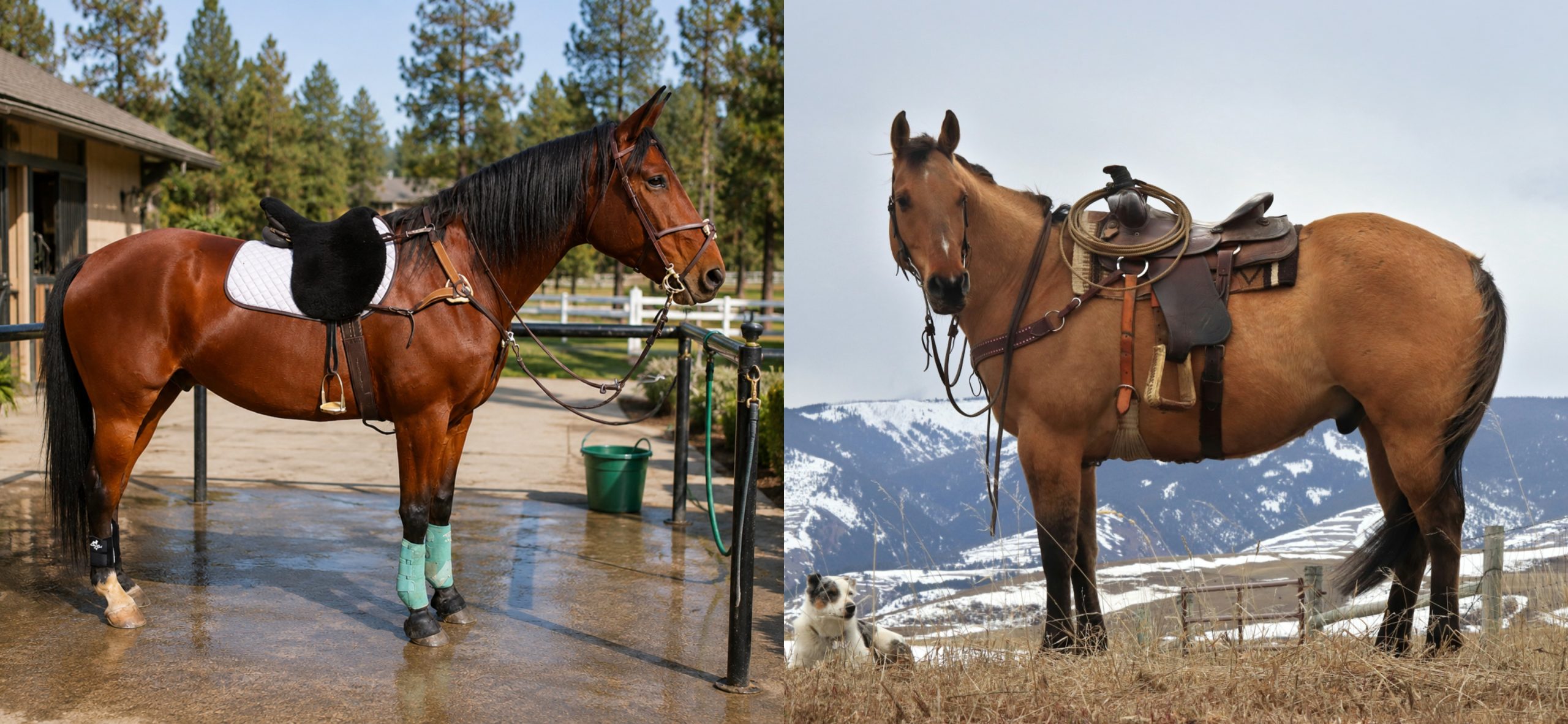
Photo credits: Caitlin Ralston, Live Kaiah
If you’re interested in horseback riding, one of the first questions you’ll likely hear is, “Do you want to ride English or Western?”
For many beginners, that question can feel overwhelming. You may have seen riders jumping fences in fitted jackets or cowboys and cowgirls working cattle from horseback, but what are the real differences? More importantly, which style is right for you?
The truth is, there isn’t a “better” discipline. English and Western riding both teach excellent horsemanship, balance, communication, and respect for the horse. The best choice comes down to your personal interests, riding goals, and the type of experience you’re looking for.
In this guide, we’ll explore the similarities and differences between English and Western riding to help you decide which path is the best fit—or maybe inspire you to try both.
What Do English and Western Riding Have in Common?
Before looking at the differences, it’s important to recognize what both disciplines share.
Whether you ride English or Western, you’ll learn how to:
- Build trust with your horse.
- Develop balance and coordination.
- Use proper riding aids.
- Groom and care for your horse.
- Ride safely and confidently.
- Continue improving your horsemanship throughout your life.
At their core, both disciplines are built on creating a partnership between horse and rider.
English vs. Western Riding: Side-by-Side Comparison
| Feature | English Riding | Western Riding |
|---|---|---|
| Primary Focus | Precision, balance, communication, and athletic performance | Comfort, versatility, practical horsemanship, and long hours in the saddle |
| Saddle | Lightweight saddle designed for close contact with the horse | Larger, heavier saddle designed for stability and comfort |
| Riding Style | More upright position with closer communication through the seat and legs | Relaxed seat with longer stirrups and a deeper saddle |
| Common Disciplines | Dressage, Hunter, Jumper, Eventing, Hunt Seat, Saddle Seat | Trail Riding, Ranch Riding, Reining, Barrel Racing, Cutting, Western Pleasure |
| Typical Clothing | Breeches or riding tights, polo or riding shirt, paddock or tall boots | Riding jeans, long-sleeve shirt, Western boots, belt |
| Boots | Paddock boots, tall field boots, or dress boots with a defined heel | Western riding boots with a defined riding heel |
| Helmet | Certified riding helmet (standard for all riders) | Certified riding helmet strongly recommended for riders of all ages and experience levels |
| Horse Breeds Commonly Seen | Thoroughbreds, Warmbloods, Arabians, Morgans, and many other breeds | Quarter Horses, Paint Horses, Appaloosas, Morgans, and many other breeds |
| Ideal For | Riders interested in jumping, dressage, precision, and structured training | Riders interested in trail riding, ranch work, versatility, or Western sports |
| Competition Opportunities | Horse shows, dressage, jumping, hunter, and eventing competitions | Rodeos, barrel racing, reining, ranch riding, cutting, and Western pleasure shows |
| Beginner Friendly? | ✅ Yes, with a good instructor and a suitable horse | ✅ Yes, with a good instructor and a suitable horse |
| Overall Goal | Develop precision, balance, and refined communication with the horse | Develop a relaxed, responsive partnership suitable for work, recreation, or competition |
💡 Heels Down Co Tip
The “best” discipline isn’t the one someone else recommends—it’s the one that keeps you excited to learn, spend time with horses, and continue improving. If you’re unsure, try one English lesson and one Western lesson before investing in discipline-specific gear.
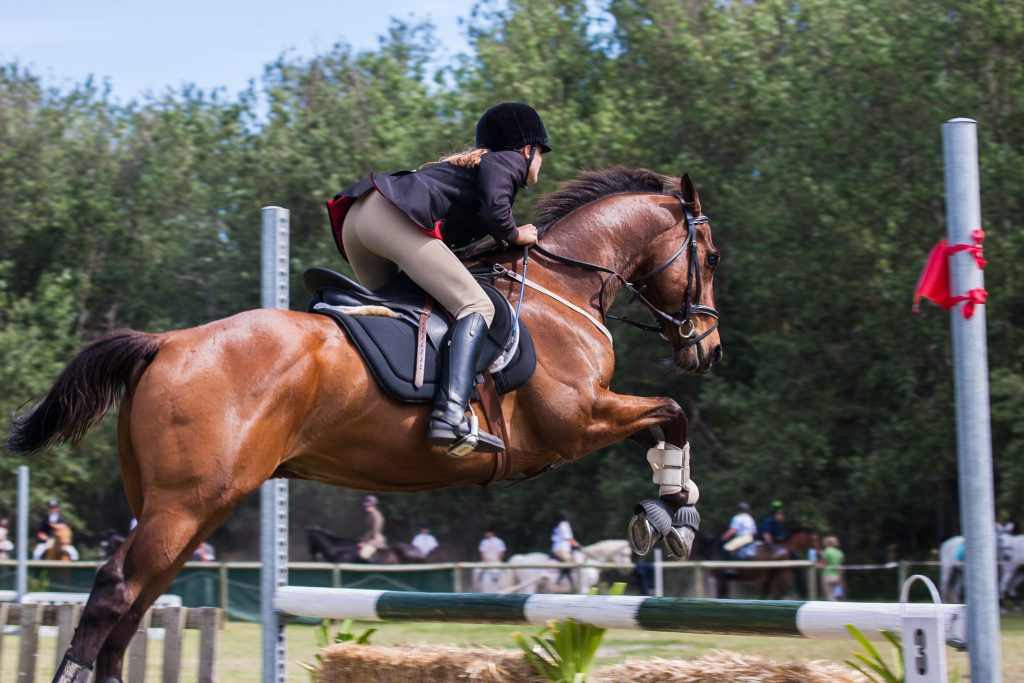
Photo credit: Jean van der Meulen
What Is English Riding?
English riding has deep roots in European horsemanship and is popular around the world.
It emphasizes communication, balance, precision, and athletic performance.
English riders typically use a lighter saddle that allows closer contact with the horse, making it easier to feel subtle movements and cues.
Popular English disciplines include:
- Hunter
- Jumper
- Dressage
- Eventing
- Hunt Seat
- Saddle Seat
- English Pleasure
Many riders enjoy English riding because it focuses on precision, technique, and continuous skill development.
English Riding May Be Right for You If…
- You enjoy learning technical riding skills.
- You’re interested in jumping or dressage.
- You like a close connection with your horse.
- You enjoy competitions that emphasize precision.
- You appreciate a traditional equestrian style.
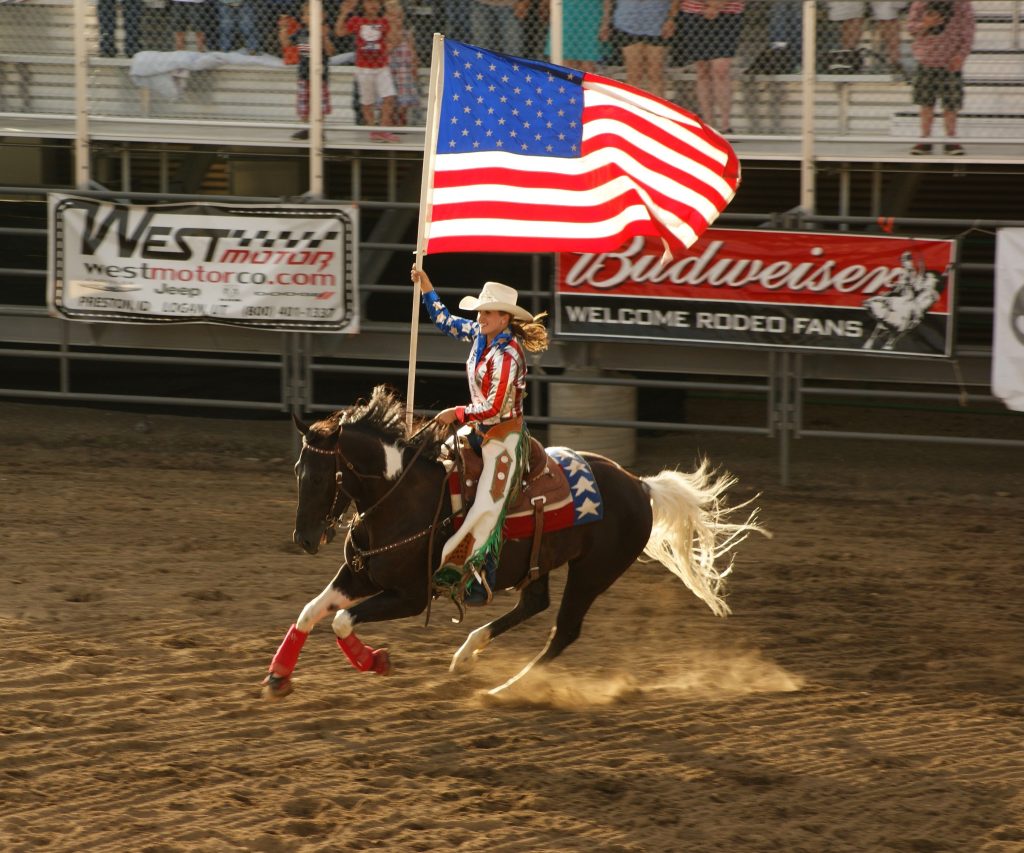
Photo credit: Ted McDonnell
What Is Western Riding?
Western riding developed from the practical needs of ranch work throughout North America.
Western saddles are generally larger and designed to provide comfort during long hours in the saddle.
Today’s Western riding includes many different activities, such as:
- Trail Riding
- Ranch Riding
- Reining
- Barrel Racing
- Pole Bending
- Cutting
- Team Penning
- Western Pleasure
Western riding often emphasizes smooth communication, relaxed movement, and practical horsemanship.
Western Riding May Be Right for You If…
- You enjoy trail riding.
- You’re interested in ranch work or Western sports.
- You like a relaxed riding style.
- You plan to spend long hours in the saddle.
- You appreciate Western traditions and culture.
Equipment Differences
Although the fundamentals of riding remain the same, the equipment looks different.
English Equipment
- Lightweight English saddle
- Shorter stirrups
- English bridle
- Breeches or riding tights
- Tall boots or paddock boots
- Riding helmet
Western Equipment
- Western saddle
- Larger stirrups
- Western bridle
- Riding jeans
- Western riding boots
- Riding helmet (recommended for riders of all ages and experience levels)
While the equipment differs, safety and proper fit are important in both disciplines.
Which Discipline Is Easier for Beginners?
This is one of the most common questions new riders ask.
The answer?
Neither discipline is inherently easier.
A great instructor, a well-trained horse, and consistent practice matter far more than whether you begin in English or Western riding.
Many riders even switch disciplines later or enjoy both throughout their riding journey.
Can You Ride Both?
Absolutely!
Many horse enthusiasts enjoy both English and Western riding.
Learning multiple disciplines can improve your balance, adaptability, and understanding of horses.
Trying both styles also helps you discover what you enjoy most without feeling locked into one path.
Choosing the Right Discipline
Ask yourself a few simple questions.
Do you dream of…
- Jumping over fences?
- Competing in dressage?
- Trail riding through beautiful scenery?
- Working cattle?
- Barrel racing?
- Riding recreationally with friends?
Your answers may naturally point you toward one discipline, but remember that there’s no rule saying you can’t explore both.
The most important thing is finding a style that keeps you excited to ride.
Beginner Essentials for Every Rider
No matter which discipline you choose, you’ll need:
- A certified riding helmet
- Riding boots with a defined heel
- Comfortable riding clothes
- Gloves (optional)
- A willingness to learn
- Patience and consistency
Good horsemanship matters more than the type of saddle you ride in.
Frequently Asked Questions
Can I switch from English to Western riding later?
Yes! Many riders successfully transition between disciplines. The fundamentals of balance, communication, and horse care apply to both.
Do English and Western riders use different horses?
Some breeds are more common in one discipline than another, but many horses can excel in multiple disciplines depending on their training and abilities.
Is one discipline safer?
Both English and Western riding are safe when proper instruction, suitable equipment, and certified riding helmets are used.
Which discipline costs less?
Costs vary depending on your location, riding goals, and equipment. Beginner lessons are often similarly priced, while specialized equipment and competition expenses can differ.
Final Thoughts
Choosing between English and Western riding isn’t about picking the “right” answer—it’s about discovering what inspires you to spend more time with horses.
Some riders love the precision and athleticism of English riding. Others enjoy the comfort, versatility, and traditions of Western riding. Many discover that they appreciate both for different reasons.
Whichever path you choose, remember that the heart of horsemanship remains the same. Respect your horse, continue learning, prioritize safety, and enjoy every ride.
At Heels Down Co, we celebrate every rider, every discipline, and every journey. Whether you’re riding through an arena, exploring mountain trails, or competing in the show ring, we hope you’ll continue learning, growing, and creating unforgettable memories with your horse.
Happy riding!
❤️ Heels Down Co Recommendation
If you’re still undecided, consider scheduling one English lesson and one Western lesson before investing in discipline-specific equipment. Experiencing both firsthand is often the best way to discover which style feels most natural and enjoyable.
Leave a Reply