Heels Down Co

Category: Equestrian

Horse riding, tack, barn essentials, grooming, equipment, and equestrian lifestyle.

  • Horse Riding Clothes: What to Wear in Every Season

    Horse Riding Clothes: What to Wear in Every Season

    Photo credit: Christine Benton, Louise Pilgaard

    Whether you’re taking your first riding lesson, heading out for a relaxing trail ride, or spending an entire day at the barn, wearing the right clothing can make all the difference.

    The weather changes throughout the year, but one thing stays the same—your riding clothes should keep you comfortable, allow you to move freely, and help keep you safe around horses.

    The good news is that you don’t need an expensive wardrobe to enjoy horseback riding. With a few versatile pieces and some smart layering, you’ll be prepared for almost any season.

    This guide covers what to wear during spring, summer, fall, and winter, whether you ride English, Western, or simply enjoy spending time with horses.


    Why Proper Riding Clothing Matters

    Horseback riding involves much more movement than many beginners expect. Your clothing should stretch comfortably, protect your skin from rubbing against the saddle, and allow you to focus on your horse—not your outfit.

    The right clothing also helps protect you from:

    • Sun exposure
    • Wind
    • Cold temperatures
    • Rain
    • Minor scrapes around the barn
    • Saddle chafing

    No matter what discipline you ride, comfort and safety should always come first.
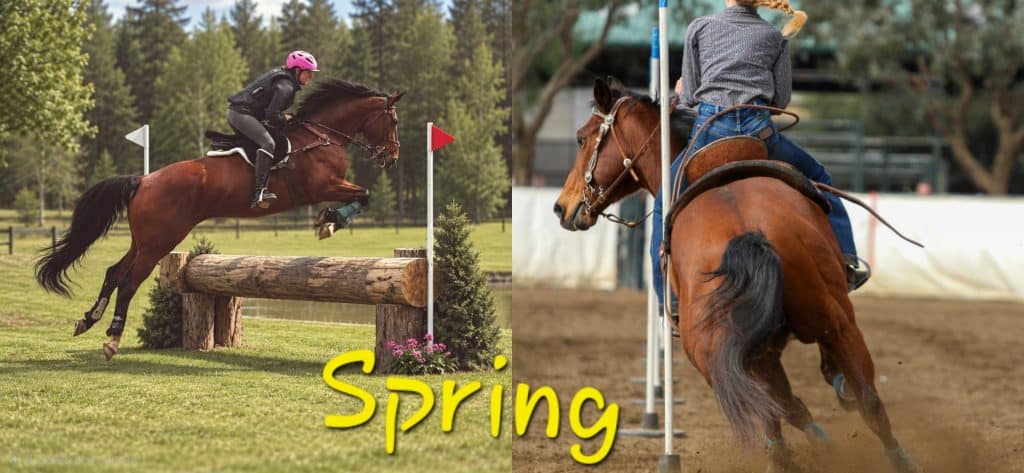

    Photo credit: Caitlin Ralston, Christine Benton

    Spring Riding Clothes

    Spring weather can be unpredictable. Cool mornings often turn into warm afternoons, making layers your best friend.

    What to Wear

    • Lightweight riding shirt
    • Lightweight jacket or vest
    • Breeches or riding jeans
    • Riding boots
    • Riding gloves
    • Certified riding helmet

    Choose breathable fabrics that dry quickly in case you get caught in a spring shower.

    Pro Tip: Keep a lightweight waterproof jacket in your tack bag during spring.
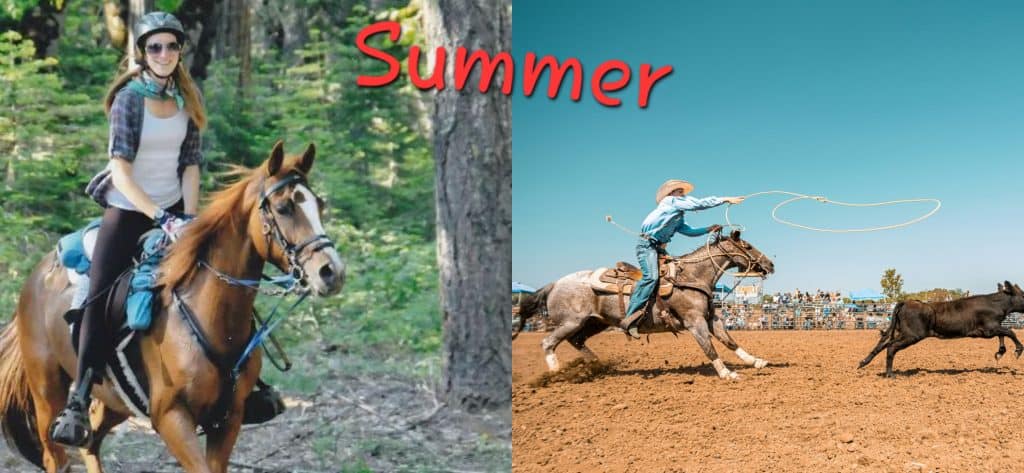

    Photo credit: Caitlin Ralston, Xavier McLaren

    Summer Riding Clothes

    Hot weather requires clothing that keeps you cool while still protecting your skin.

    Recommended Summer Gear

    • Moisture-wicking riding shirt
    • Lightweight riding tights or riding jeans
    • Breathable riding gloves
    • Riding boots
    • Ventilated riding helmet
    • Sunglasses (when appropriate)

    Avoid heavy cotton shirts that trap heat and moisture.

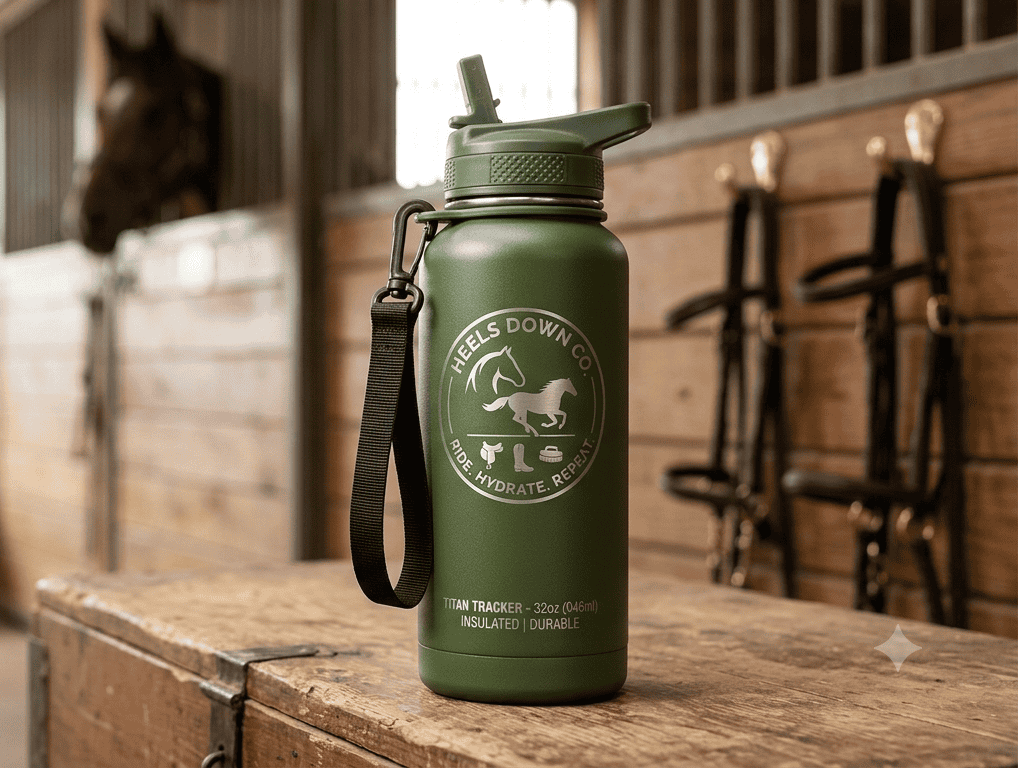
    Hydration is just as important as clothing, so always bring a reusable water bottle to the barn.
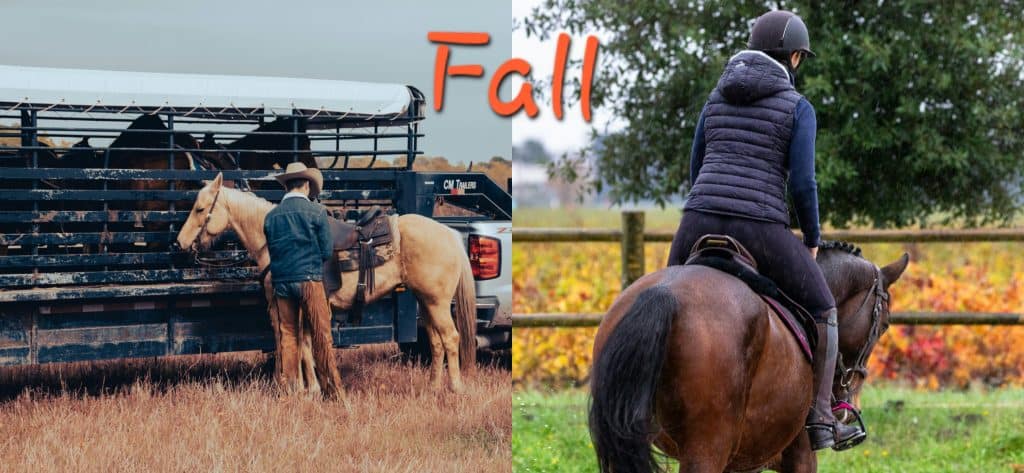

    Photo credit: Howard R Wheeler, Philippe Oursel

    Fall Riding Clothes

    Fall is one of the most enjoyable seasons for horseback riding.

    Cooler temperatures often make longer rides more comfortable.

    What to Wear

    • Long-sleeve riding shirt
    • Lightweight fleece or vest
    • Riding pants
    • Riding boots
    • Gloves
    • Helmet

    Dress in layers that you can remove as temperatures warm throughout the day.
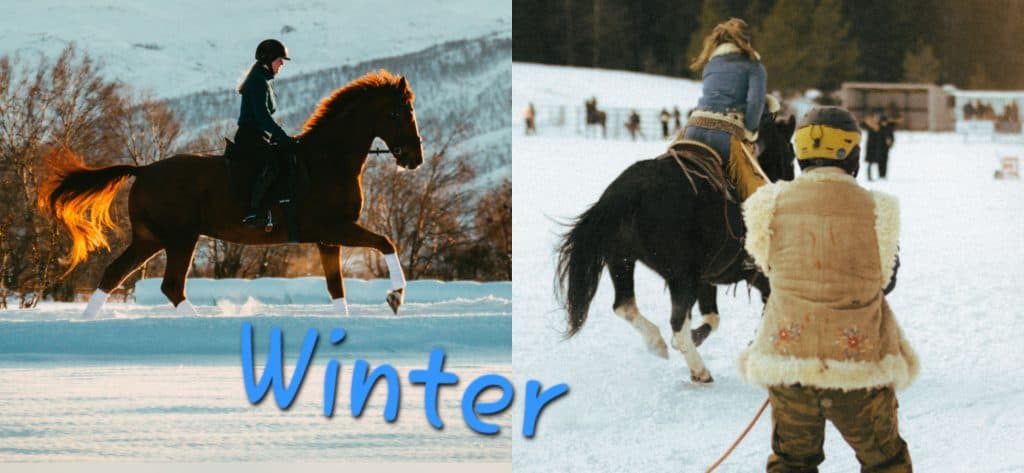

    Photo credit: Eskil Helgesen, Jaime Reimer

    Winter Riding Clothes

    Cold weather shouldn’t keep you out of the saddle—as long as you dress appropriately.

    The secret to staying warm is layering without becoming bulky.

    Base Layer

    Choose moisture-wicking thermal clothing that keeps sweat away from your skin.

    Middle Layer

    A fleece or insulated riding jacket provides warmth while allowing freedom of movement.

    Outer Layer

    Wear a wind-resistant or waterproof riding jacket when necessary.

    Don’t Forget

    • Warm riding gloves
    • Wool or thermal socks
    • Neck gaiter
    • Insulated riding boots (if needed)

    Avoid oversized coats that can restrict movement while riding.


    English vs. Western Riding Clothing

    While styles differ, the basic principles are the same.

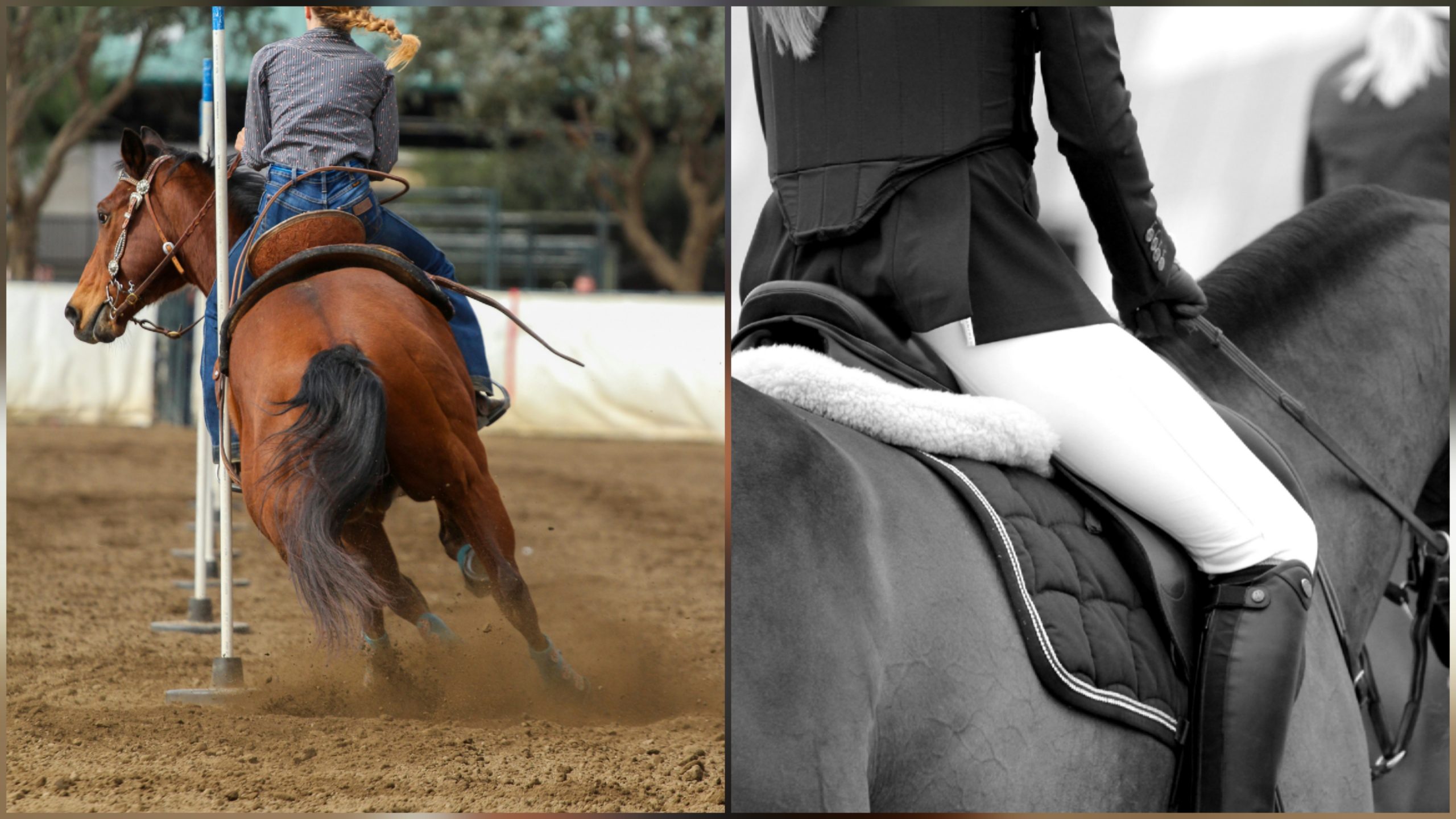
    English Riders Often Wear

    • Breeches or riding tights
    • Paddock boots or tall boots
    • Half chaps
    • Polo shirts or riding tops
    • Riding jackets for shows

    Western Riders Often Wear

    • Riding jeans
    • Western riding boots
    • Long-sleeve shirts
    • Cowboy hats (off the horse) or certified riding helmets
    • Lightweight jackets or vests

    No matter your discipline, clothing should fit comfortably and allow you to move freely in the saddle.


    Essential Riding Accessories

    Beyond clothing, these accessories make riding safer and more enjoyable.

    Riding Helmet

    Always wear a properly fitted, certified riding helmet.

    Riding Gloves

    Gloves improve grip while reducing blisters.

    Riding Boots

    Choose boots with a defined heel designed specifically for horseback riding.

    Riding Socks

    Tall riding socks improve comfort and reduce rubbing inside your boots.

    Rain Gear

    A lightweight waterproof jacket is useful during unpredictable weather.


    Common Clothing Mistakes Beginners Make

    Avoid these common mistakes:

    • Wearing running shoes instead of riding boots
    • Dressing too warmly and overheating
    • Wearing shorts while riding
    • Choosing loose clothing that can catch on tack
    • Riding without a helmet
    • Forgetting sunscreen during summer rides

    Small clothing choices can make a big difference in both comfort and safety.


    Our Favorite Riding Clothing Essentials

    (Add your affiliate recommendations here.)

    Best Riding Shirt

    A breathable, moisture-wicking shirt suitable for all seasons.

    Best Riding Pants

    Comfortable options for both English and Western riders.

    Best Riding Jacket

    A lightweight jacket perfect for layering throughout the year.

    Best Riding Gloves

    Comfortable gloves that provide excellent grip in every season.


    Frequently Asked Questions

    Can I ride in jeans?

    Yes. Many Western riders prefer riding jeans, while English riders often choose breeches or riding tights. The most important factor is comfort and freedom of movement.


    Can I wear leggings?

    Regular athletic leggings may work for short rides, but riding tights are designed specifically for horseback riding and typically provide better grip and durability.


    What should beginners wear to their first riding lesson?

    Wear long pants, boots with a defined heel, a comfortable shirt, and a properly fitted riding helmet if you have one. Many riding facilities provide helmets for beginners.


    Do I need different clothes for English and Western riding?

    Not necessarily. Many clothing items work well for both disciplines. As you gain experience, you may choose attire that better suits your preferred riding style.


    Final Thoughts

    You don’t need an expensive riding wardrobe to enjoy time with your horse.

    Start with the essentials, dress appropriately for the weather, and choose clothing that prioritizes comfort, safety, and freedom of movement.

    Whether you’re riding English, Western, exploring scenic trails, or spending time at the barn with friends, the right clothing allows you to focus on what truly matters—building your confidence, improving your skills, and enjoying every ride.

    At Heels Down Co, our goal is to help riders make informed decisions with honest advice, practical tips, and trusted recommendations for every season.

    Happy riding!
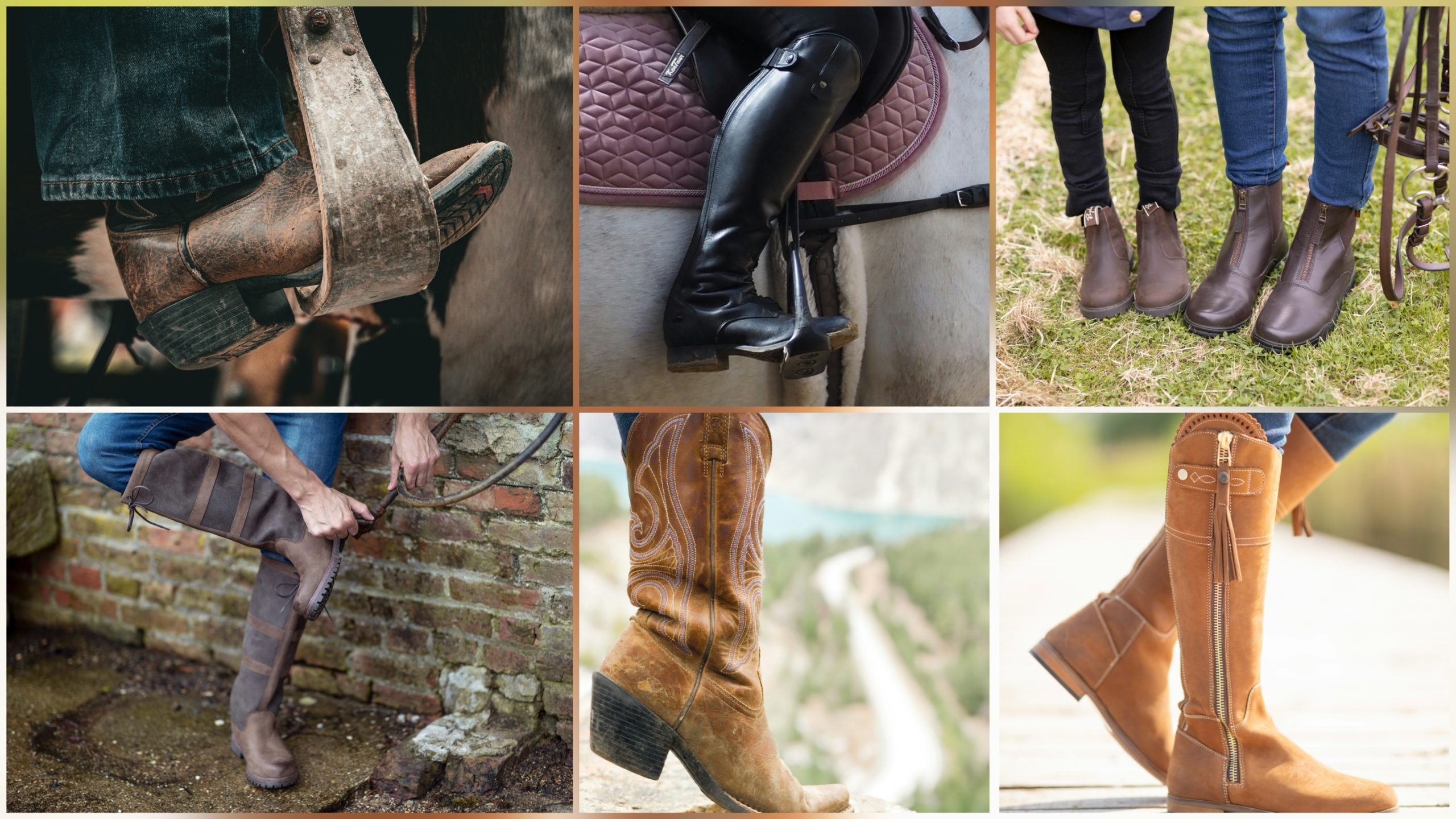
  • The Best Horse Riding Boots for Beginners: A Complete Guide for Every Rider

    The Best Horse Riding Boots for Beginners: A Complete Guide for Every Rider

    Photo credits: Rydale Clothing, John Sailer, Jack Alope, and Lynnelle Cleveland on Unsplash.

    If you’re new to horseback riding, choosing your first pair of riding boots can feel overwhelming. With so many styles, materials, and price points available, it’s easy to wonder where to start.

    The good news is that finding the right riding boots doesn’t have to be complicated.

    A quality pair of boots is more than just part of your riding outfit—they’re an important piece of safety equipment. The right boots provide stability in the stirrups, improve comfort during long rides, and help protect your feet around horses.

    Whether you’re learning to ride English, Western, or you’re still exploring different disciplines, this guide will help you choose boots that fit your needs, your budget, and your riding goals.


    Why Riding Boots Matter

    Unlike everyday shoes, riding boots are specifically designed for horseback riding.

    One of the most important features is a defined heel. The heel helps prevent your foot from sliding too far through the stirrup, reducing the risk of becoming caught if you fall.

    Riding boots also provide ankle support, improved grip, and protection while working around horses in the barn or arena.

    If you’re just beginning your riding journey, investing in proper footwear is one of the smartest purchases you can make.


    English and Western Riders Need Different Styles

    Although every rider needs safe footwear, the style of boot often depends on the type of riding you enjoy.

    English Riding Boots

    English riders commonly wear:

    • Paddock boots
    • Tall field boots
    • Dress boots
    • Half chaps paired with paddock boots

    Many beginners start with paddock boots because they’re comfortable, versatile, and more affordable than tall boots.


    Western Riding Boots

    Western riders typically wear traditional cowboy boots designed specifically for riding.

    Good Western riding boots feature:

    • A defined riding heel
    • Smooth sole
    • Comfortable leather construction
    • Proper shaft height for protection

    Avoid fashion cowboy boots that aren’t designed for horseback riding.


    What to Look for When Buying Riding Boots

    Before choosing a pair, consider these important features.

    A Proper Riding Heel

    This is one feature you should never compromise on.

    Look for a heel approximately one inch high that helps keep your foot safely positioned in the stirrup.


    Comfort

    You’ll spend hours walking around the barn and riding in your boots.

    Choose boots that:

    • Feel supportive
    • Allow your toes to move comfortably
    • Don’t pinch your feet
    • Fit securely without slipping

    Remember that leather boots often become more comfortable after they’re broken in.


    Durable Materials

    Most riding boots are made from:

    • Full-grain leather
    • Synthetic leather
    • Waterproof materials
    • Rubber (ideal for muddy conditions)

    Leather typically lasts longer, while synthetic boots are often lighter and easier to maintain.


    Easy Maintenance

    If you’re riding several times each week, choose boots that are easy to clean.

    Leather requires regular conditioning to stay soft and prevent cracking.

    Synthetic boots usually wipe clean with a damp cloth.


    Leather vs. Synthetic Boots

    Both have advantages.

    Leather Boots

    Pros

    • Long-lasting
    • Classic appearance
    • Molds to your feet over time
    • Often more breathable

    Cons

    • Higher cost
    • Requires regular care
    • Longer break-in period

    Synthetic Boots

    Pros

    • Budget-friendly
    • Lightweight
    • Easy to clean
    • Water resistant

    Cons

    • May not last as long
    • Less breathable
    • Doesn’t mold to your feet like leather

    For many beginners, synthetic boots offer excellent value while learning the sport.


    How Should Riding Boots Fit?

    A properly fitted boot should feel snug without causing discomfort.

    When trying on boots:

    • Wear the socks you’ll ride in.
    • Your heel should stay mostly in place.
    • Your toes shouldn’t feel cramped.
    • The boot should flex naturally as you walk.

    Avoid buying boots that are too large, thinking you’ll “grow into them.” Proper fit improves both comfort and safety.


    Common Mistakes Beginners Make

    Many new riders accidentally choose boots that aren’t designed for horseback riding.

    Avoid:

    • Hiking boots
    • Running shoes
    • Flat-soled work boots
    • Fashion cowboy boots
    • Boots with deep tread that may catch in the stirrup

    Purpose-built riding boots are designed with safety in mind.


    Our Beginner Boot Recommendations

    (This is where you’ll add affiliate products later.)

    Best Budget Riding Boot

    Ideal for riders taking weekly lessons who want quality without spending a fortune.


    Best Overall Riding Boot

    Offers the best balance of comfort, durability, and value for most beginner riders.


    Best Premium Riding Boot

    Perfect for riders planning to spend several days each week in the saddle and wanting long-term comfort.


    Caring for Your Riding Boots

    Proper care helps your boots last for years.

    After each ride:

    • Brush away dirt and mud.
    • Allow boots to dry naturally.
    • Store them in a cool, dry place.
    • Condition leather regularly.
    • Avoid placing boots next to heaters or direct sunlight.

    A few minutes of maintenance can dramatically extend their lifespan.


    Frequently Asked Questions

    Can beginners ride in regular boots?

    It’s best to wear boots designed specifically for horseback riding. Riding boots include safety features that ordinary boots often lack.


    Are expensive riding boots worth it?

    Not always.

    Many affordable beginner boots provide excellent comfort and safety. As your riding experience grows, you can decide whether premium features are worth the investment.


    Should I buy tall boots first?

    Not necessarily.

    Many instructors recommend starting with paddock boots because they’re versatile, comfortable, and suitable for many beginner riders.


    Can Western riders wear paddock boots?

    Some riders do for casual riding or lessons. However, many Western riders prefer traditional riding cowboy boots that offer the style and functionality commonly used in Western disciplines.


    Final Thoughts

    Choosing your first pair of riding boots doesn’t have to be overwhelming.

    Focus on comfort, safety, durability, and proper fit rather than simply choosing the most expensive pair or the trendiest style.

    Whether you’re riding English, Western, taking lessons, or exploring the trails, the right boots will help you feel more confident and comfortable every time you climb into the saddle.

    Your riding journey is just beginning, and investing in quality boots is a step toward many safe and memorable rides ahead.

    Happy riding!

  • How to Choose the Right Horse Riding Helmet: A Beginner’s Guide for English & Western Riders

    How to Choose the Right Horse Riding Helmet: A Beginner’s Guide for English & Western Riders

    Horseback riding is one of the most rewarding sports you’ll ever experience, but it also comes with risks. Whether you’re riding English, Western, or simply enjoying a trail ride, wearing the right helmet is one of the most important decisions you can make.

    If you’re shopping for your first riding helmet, you’ve probably noticed there are hundreds of options. Different brands, styles, prices, and safety ratings can make choosing one feel overwhelming.

    The good news is that finding the right helmet doesn’t have to be complicated.

    In this guide, we’ll explain exactly what to look for, how a helmet should fit, and which features are actually worth paying for so you can ride confidently and safely.


    Why Wearing a Helmet Matters

    Even the calmest horse can spook, trip, or react unexpectedly.

    A properly fitted riding helmet helps protect your head from serious injury during a fall. It’s one piece of equipment that should never be skipped, no matter your riding discipline or experience level.

    Today’s helmets are also more comfortable than ever, with lightweight designs, excellent ventilation, and styles that look great in both English and Western disciplines.


    Look for ASTM/SEI Certification

    The first thing you should check isn’t the brand—it’s the safety certification.

    Choose a helmet that meets current ASTM/SEI safety standards. These certifications indicate the helmet has been tested to withstand impacts commonly associated with horseback riding.

    If a helmet doesn’t clearly display its certification, keep shopping.

    Your safety is worth it.


    Finding the Right Fit

    A helmet should feel snug without causing pain.

    When trying one on:

    • It should sit level on your head.
    • The front edge should rest just above your eyebrows.
    • It shouldn’t rock forward or backward.
    • The chin strap should fit securely without being uncomfortable.

    If the helmet moves when you shake your head, it’s too loose.


    Choose the Style That Fits Your Riding

    The good news is that many modern helmets are suitable for both English and Western riders.

    English riders often prefer traditional matte or glossy helmets with a streamlined profile.

    Western riders increasingly choose lightweight sport helmets designed for comfort during long rides and trail adventures.

    The most important thing isn’t matching a style—it’s choosing a certified helmet that fits correctly.


    Features Worth Paying For

    Some upgrades truly improve comfort.

    Consider helmets with:

    • Adjustable fit systems
    • Excellent ventilation
    • Moisture-wicking liners
    • Removable, washable padding
    • Lightweight construction
    • Sun visor options for trail riders

    These features can make a noticeable difference, especially if you ride frequently.


    Budget vs. Premium Helmets

    More expensive doesn’t always mean safer.

    Budget-friendly helmets often meet the exact same safety certifications as premium models.

    Higher-priced helmets usually offer:

    • Better ventilation
    • Lighter materials
    • More adjustment options
    • Premium comfort liners
    • Sleeker styling

    Choose the helmet that fits your head best—not simply the one with the highest price tag.


    When Should You Replace Your Helmet?

    Replace your helmet if:

    • It has been involved in any significant fall.
    • You notice cracks or damage.
    • The liner has deteriorated.
    • The manufacturer recommends replacement due to age.

    Never continue using a helmet after a serious impact, even if it looks undamaged.


    Frequently Asked Questions

    Can Western riders wear English helmets?

    Yes. Certified riding helmets protect riders regardless of discipline. Many modern helmets are designed to suit both English and Western riding.

    Can I buy a used riding helmet?

    It’s generally not recommended. You can’t always tell whether a helmet has experienced an impact, and hidden damage can reduce its ability to protect you.

    Are expensive helmets safer?

    Not necessarily. As long as a helmet meets current safety standards and fits properly, it offers the required level of protection. Higher-priced models typically improve comfort and features rather than safety alone.


    Final Thoughts

    Your riding helmet is more than another piece of equipment—it’s your most important safety investment.

    Take the time to find one that fits properly, meets recognized safety standards, and feels comfortable enough that you’ll wear it every single ride.

    Whether you’re saddling up for your first lesson, heading out on a trail ride, or spending weekends at the arena, the right helmet allows you to focus on what matters most: enjoying every moment with your horse.

    At Heels Down Co, we believe every ride should begin with confidence, comfort, and safety.

    Happy riding!

  • 10 Essential Horse Riding Items Every Beginner Needs (English & Western Riders)

    10 Essential Horse Riding Items Every Beginner Needs (English & Western Riders)

    Whether you ride English, Western, or you’re still deciding which discipline is right for you, one thing remains the same—having the right equipment can make every ride safer, more comfortable, and more enjoyable.

    Walking into a tack store or browsing online for riding gear can feel overwhelming. With so many products available, it’s easy to wonder what you actually need and what can wait.

    The good news? You don’t need to buy everything at once.

    By investing in a few quality essentials, you’ll be well prepared to begin your riding journey with confidence. This guide covers the equipment every beginner should consider, regardless of whether you ride English or Western.


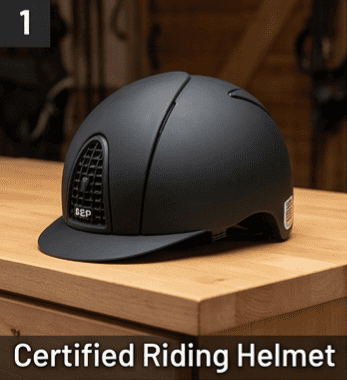
    1. A Certified Riding Helmet

    If you only purchase one piece of riding equipment, make it a certified riding helmet.

    Horseback riding is an amazing sport, but horses are powerful animals with minds of their own. Even the calmest horse can stumble, spook, or react unexpectedly. Wearing a properly fitted helmet every time you ride is one of the best ways to protect yourself from serious head injuries.

    When choosing a helmet, look for:

    • ASTM/SEI safety certification
    • A snug, comfortable fit
    • Good ventilation
    • An adjustable chin strap

    Pro Tip: Never buy a used helmet unless you’re certain it has never been involved in a fall. Helmets are designed to absorb impact and should be replaced after a significant accident.


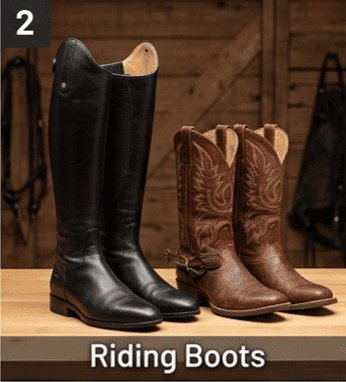
    2. Proper Riding Boots

    One thing English and Western riders have in common is the need for boots with a defined heel.

    The heel helps prevent your foot from slipping too far through the stirrup, making it an important safety feature.

    English riders often choose paddock boots or tall boots, while Western riders typically wear riding cowboy boots. Whatever style you choose, make sure your boots are designed specifically for horseback riding.

    Look for boots that offer:

    • A defined heel
    • Comfortable support
    • Durable construction
    • Good grip

    Comfortable feet make for much more enjoyable rides.


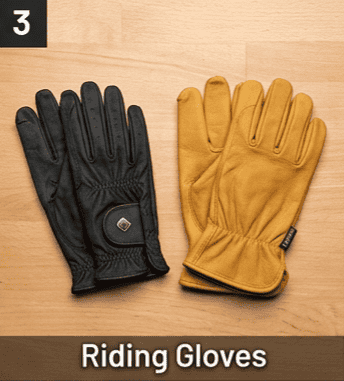
    3. Riding Gloves

    Many beginners don’t realize how helpful riding gloves can be until after their first few lessons.

    Gloves help improve your grip on the reins while reducing blisters and keeping your hands comfortable during longer rides.

    Benefits include:

    • Better grip
    • Reduced hand fatigue
    • Protection from blisters
    • Added warmth during cooler weather

    They’re a small investment that many riders quickly consider indispensable.


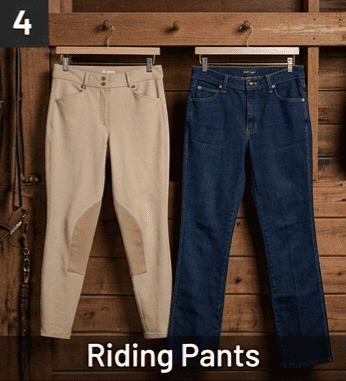
    4. Riding Pants

    While regular jeans may work for an occasional ride, riding-specific pants are designed to provide greater comfort in the saddle.

    English riders often wear breeches or riding tights, while Western riders may prefer riding jeans that offer extra flexibility and durability.

    Whichever style you choose, look for clothing that:

    • Allows freedom of movement
    • Reduces rubbing and chafing
    • Is comfortable for long rides
    • Fits properly without being restrictive

    Comfort helps you focus on learning instead of constantly adjusting your clothing.


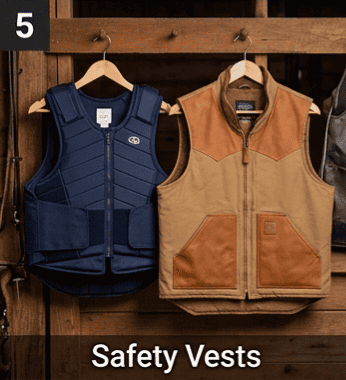
    5. Safety Vest

    A riding safety vest may not be required everywhere, but it’s an excellent piece of protective equipment for beginners.

    Many riders choose to wear one while:

    • Taking lessons
    • Trail riding
    • Jumping
    • Building confidence in the saddle

    Whether you ride English or Western, additional protection can provide valuable peace of mind while you’re developing your skills.


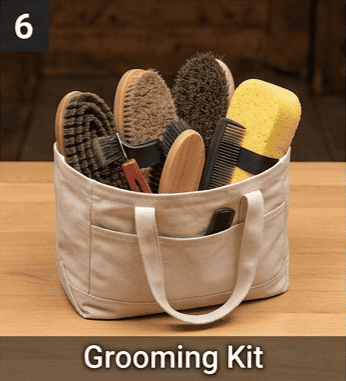
    6. Grooming Kit

    Learning to groom your horse is an important part of becoming a responsible horse owner or rider.

    Grooming not only keeps your horse clean but also gives you the opportunity to notice cuts, swelling, loose shoes, or anything unusual before riding.

    A basic grooming kit should include:

    • Curry comb
    • Hard brush
    • Soft brush
    • Hoof pick
    • Mane and tail comb
    • Sponge

    Developing good grooming habits builds trust between you and your horse.


    7. Water Bottle

    It sounds simple, but staying hydrated is often forgotten at the barn.

    Whether you’re riding for thirty minutes or spending the entire day with your horse, drinking enough water helps you stay focused and energized.

    An insulated water bottle is a great addition to your riding gear, especially during warmer months.


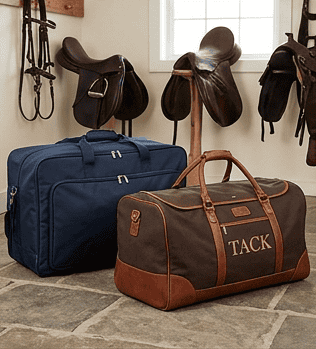
    8. Tack Bag

    As you collect riding equipment, having a dedicated bag helps keep everything organized and easy to transport.

    A quality tack bag can hold items such as:

    • Helmet
    • Gloves
    • Brushes
    • Water bottle
    • Extra socks
    • Personal belongings

    Staying organized means spending less time searching for gear and more time enjoying your horse.


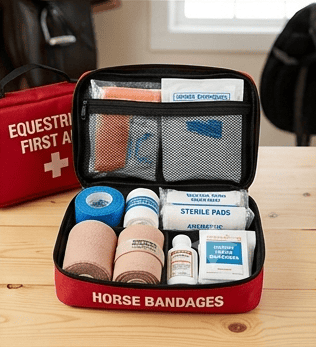
    9. Basic First Aid Kit

    Working around horses means minor scrapes and bumps occasionally happen.

    Keeping a small first aid kit in your vehicle or tack bag is always a smart idea.

    Include essentials like:

    • Adhesive bandages
    • Gauze
    • Medical tape
    • Antiseptic wipes
    • Tweezers
    • Disposable gloves

    Being prepared gives you peace of mind whenever you’re at the barn or on the trail.


    10. A Positive Attitude and Willingness to Learn

    This may be the most important item on the list—and it doesn’t cost a thing.

    Every accomplished rider was once a beginner.

    You’ll make mistakes.
    You’ll have incredible rides.
    You’ll have rides that challenge your patience.

    That’s all part of learning.

    Ask questions, listen to your instructor, celebrate small victories, and remember that progress takes time.

    Your relationship with horses isn’t built in a day—it’s built one ride at a time.


    Final Thoughts

    Starting horseback riding doesn’t mean buying every piece of equipment you see online.

    Instead, focus on quality essentials that improve your safety, comfort, and confidence. As your experience grows, you’ll naturally discover which additional gear best fits your riding style and goals.

    Whether your passion leads you to English riding, Western riding, trail riding, or simply spending time with horses, the right equipment can make every ride more enjoyable.

    Thank you for visiting HeelsDownCo. We hope this guide helps you feel more prepared and excited for the journey ahead.

    Happy riding!