Heels Down Co

Category: Equestrian

Horse riding, tack, barn essentials, grooming, equipment, and equestrian lifestyle.

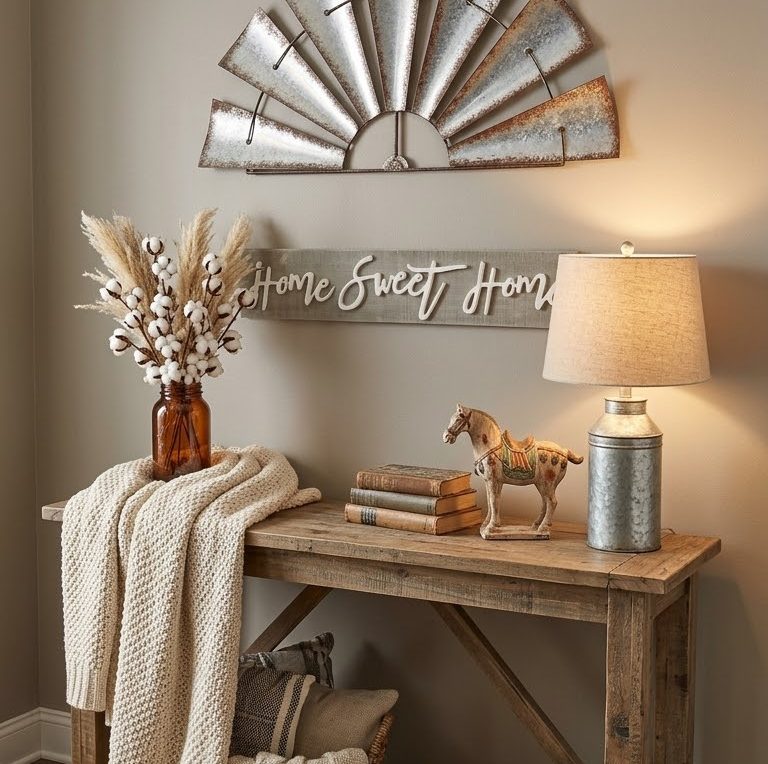
  • Western-Inspired Home Décor We Love: Rustic Charm Meets Modern Country Style

    Western-Inspired Home Décor We Love: Rustic Charm Meets Modern Country Style

    Western-inspired home décor is more than cowboy hats, cowhide rugs, and weathered wood. It’s about creating a home that feels warm, welcoming, and full of character, with a little ruggedness and a touch of timeless Western charm.

    At Heels Down Co., we love the kind of Western style that feels authentic without looking overdone. Think natural textures, rich leather, warm wood tones, equestrian-inspired accents, and carefully chosen details that bring the spirit of the West into everyday living.

    Whether you live on a ranch, own horses, or simply love the Western lifestyle, these are some of our favorite ways to bring Western-inspired décor into your home.

    1. Leather Accents That Add Timeless Western Character

    Leather is a classic element of Western design. Its natural texture, warm tones, and ability to develop character over time make it an excellent choice for a home inspired by the Western lifestyle.

    Leather accent chairs, ottomans, throw pillows, and decorative trays can add depth to a living room without overwhelming the space. For a more subtle look, consider smaller accents in cognac, saddle brown, or distressed tan.

    What we love: Leather pieces that look better with age and pair beautifully with wood, linen, and neutral fabrics.

    2. Cowhide Rugs and Natural Textures

    Few décor pieces capture Western style quite like a cowhide rug. Its organic shape and distinctive pattern can make a room feel collected and interesting, whether your home leans rustic, contemporary, or traditional.

    A cowhide rug works beautifully beneath a coffee table, layered over a larger neutral rug, or placed in an entryway. If you prefer a softer or more understated look, consider woven wool rugs, jute, or natural-fiber alternatives.

    The key is balance. Let one standout texture become the focal point rather than filling every corner with competing patterns.

    What we love: Natural textures that add warmth and personality while keeping a room comfortable and inviting.

    3. Rustic Wood Furniture With Character

    Weathered wood, reclaimed timber, and furniture with visible grain bring an unmistakable sense of warmth to Western-inspired interiors.

    A solid wood coffee table, rustic dining table, floating shelves, or distressed wood console can establish the foundation for the entire room. These pieces also pair well with more modern furniture, making it easy to create a balanced style rather than a space that feels like a themed cabin.

    Look for quality construction, durable finishes, and wood tones that complement your existing floors and furniture.

    What we love: Furniture with natural character, practical function, and a timeless look that doesn’t go out of style.

    4. Western Wall Art That Tells a Story

    Wall art is one of the easiest ways to bring personality into a home. Western landscapes, vintage rodeo posters, horse photography, cattle-drive scenes, and desert-inspired artwork can all contribute to a space that reflects your interests.

    For an equestrian-inspired home, consider black-and-white horse photography, framed vintage tack illustrations, or artwork featuring horses in open pasture.

    Mix different frame finishes if you want a collected look, or keep frames consistent for a cleaner, more contemporary feel.

    What we love: Art that reflects a genuine connection to horses, the outdoors, and the Western way of life.

    5. Horse and Equestrian-Inspired Decorative Accents

    For horse lovers, equestrian details are a natural fit. The trick is choosing pieces that feel intentional and sophisticated rather than overly themed.

    Consider decorative horse sculptures, vintage-inspired riding prints, leather catchall trays, brass horse bookends, or subtle saddle-inspired details. These accents can bring an equestrian influence into your home without making every room feel like a tack room.

    A few well-chosen pieces often make a stronger statement than a collection of unrelated decorations.

    What we love: Equestrian décor that celebrates horses and riding while complementing the rest of your home.

    6. Warm, Neutral Bedding With Western Flair

    A bedroom inspired by the West can feel relaxed, cozy, and refined. Start with neutral bedding in ivory, cream, sand, taupe, or warm gray, then introduce texture through quilts, woven blankets, and decorative pillows.

    For a stronger Western influence, add a subtle geometric pattern, a leather-accented headboard, or a throw featuring earthy colors and traditional Southwestern motifs.

    You don’t need bold prints everywhere. A neutral foundation makes it easier to change accessories with the seasons while keeping the room cohesive.

    What we love: Soft layers, earthy colors, and bedding that makes the bedroom feel like a comfortable retreat after a long day.

    7. Lighting That Creates a Warm, Inviting Glow

    Lighting can completely change the mood of a room. Western-inspired interiors often look best with warm, layered lighting rather than harsh overhead illumination.

    Look for iron or bronze fixtures, rustic metal chandeliers, lantern-style sconces, and table lamps with ceramic, wood, or leather-inspired finishes.

    Use a combination of overhead lights, table lamps, and floor lamps to create a comfortable atmosphere in the evening. Warm-white bulbs can help emphasize the rich tones of wood, leather, and other natural materials.

    What we love: Lighting that feels substantial and timeless while making a space more inviting.

    8. Southwestern Patterns and Earthy Colors

    Western décor doesn’t have to be limited to brown leather and distressed wood. Southwestern-inspired colors and patterns can bring energy and visual interest to a room.

    Consider terracotta, rust, clay, muted turquoise, sand, cream, and deep charcoal. Introduce these shades through blankets, pillows, ceramics, artwork, and smaller accessories.

    Geometric patterns can add a recognizable Western influence, while solid colors and natural textures keep the overall look balanced.

    What we love: Earthy colors and thoughtfully chosen patterns that make a room feel warm without appearing cluttered.

    9. Decorative Storage That Is Both Practical and Stylish

    A beautiful home still needs to work for everyday life. Woven baskets, wooden storage chests, rustic entryway benches, and leather organizers can help keep clutter under control while contributing to the overall design.

    Use baskets for blankets, organize everyday essentials in an entryway, or choose a storage bench that offers a convenient place to sit while putting on boots.

    For homes with horses or an active outdoor lifestyle, practical storage can be especially useful for keeping everyday items organized.

    What we love: Décor that earns its place by looking good and serving a real purpose.

    How to Create a Western-Inspired Home Without Overdoing It

    The most successful Western interiors feel natural, personal, and comfortable. You don’t need to transform every room or buy an entirely new collection of furniture to achieve the look.

    Here are a few simple guidelines to help you get started:

    • Start with a neutral foundation. Cream, beige, warm white, and earthy gray create a versatile backdrop.
    • Mix materials. Combine wood, leather, metal, wool, and woven textures for depth.
    • Choose a few statement pieces. A cowhide rug, leather chair, or striking horse photograph can establish the style without overwhelming the room.
    • Incorporate personal details. Equestrian artwork, meaningful vintage finds, or Western accessories can make your space feel uniquely yours.
    • Balance rustic and refined. Pair rugged textures with clean lines, simple furniture, and uncluttered surfaces.
    • Prioritize quality and function. Choose items that suit your home and lifestyle rather than purchasing décor simply because it follows a trend.

    The goal isn’t to make your home look like a Western movie set. It’s to create a space that reflects the character, comfort, and individuality that make Western style so appealing.

    Our Favorite Western Home Décor Style Combinations

    Not sure which direction to take? These combinations are a good starting point.

    Modern Western: Clean-lined furniture, cognac leather, neutral fabrics, black metal, and subtle equestrian accents.

    Rustic Ranch: Weathered wood, warm leather, natural-fiber rugs, vintage-inspired artwork, and cozy textiles.

    Western Boho: Earthy colors, layered rugs, woven baskets, Southwestern patterns, and natural materials.

    Refined Equestrian: Classic furniture, rich wood, leather details, horse photography, understated brass accents, and tailored fabrics.

    Each style offers a different interpretation of Western living, so choose the elements that feel most at home in your space.

    Final Thoughts: Bring the Western Lifestyle Home

    Western-inspired home décor is about creating a space that feels authentic to you. Whether you’re drawn to rugged ranch details, modern Western furniture, Southwestern patterns, or understated equestrian accents, the best interiors combine comfort, character, and thoughtful design.

    Start with a few pieces you genuinely love, build around natural materials and warm colors, and let your personal style guide the rest.

    At Heels Down Co., we believe the Western lifestyle doesn’t stop at the barn door. It can be reflected in the spaces where we relax, gather, and make memories, too.

    Ready to refresh your space? Explore our favorite Western-inspired home décor finds and discover pieces that bring timeless Western character into your home.


    Affiliate disclosure: This article may contain affiliate links. If you purchase through these links, Heels Down Co. may earn a commission at no additional cost to you. We only aim to feature products and brands that fit the style and interests of our readers.
  • What to Look for in Quality Horse Tack: A Guide for Every Rider

    Choosing horse tack is about more than appearance. The right equipment should be safe, comfortable for both horse and rider, durable enough for regular use, and suited to the type of riding you enjoy. Whether you are buying your first bridle, shopping for a saddle, or upgrading equipment you have used for years, knowing what to look for can help you make a more confident decision.

    With so many styles, materials, and price points available, it can be difficult to tell which products are worth the investment. The good news is that you do not have to buy the most expensive tack to find quality. Understanding a few important details can help you recognize well-made equipment and avoid purchases that may not meet your needs.

    1. Start With Safety and Function

    Before considering color, decorative stitching, or brand names, look at how the tack is made and whether it performs its intended job.

    Tack plays an important role in communication, stability, and comfort. Worn stitching, cracked leather, damaged hardware, or poorly fitting equipment can create unnecessary risks for both horse and rider.

    When inspecting a piece of tack, look for:

    • Secure stitching with no loose, broken, or unraveling threads.
    • Strong, properly attached buckles, rings, and other hardware.
    • No cracks, tears, deep cuts, or weak spots in load-bearing areas.
    • Smooth edges and surfaces that will not rub or pinch.
    • Functional adjustments that allow the equipment to fit correctly.

    Pay particular attention to areas that experience pressure or carry weight, such as saddle billets, stirrup leathers, girth straps, reins, and bridle attachments. If a critical component looks questionable, do not rely on it until it has been assessed and repaired or replaced appropriately.

    Remember: A beautiful piece of tack is not a good buy if it cannot be used safely.

    2. Understand the Materials

    The materials used in tack affect its durability, maintenance requirements, comfort, and price.

    Leather

    Quality leather tack can last for many years with proper care. However, not all leather is the same, and a higher price does not automatically guarantee better quality.

    When examining leather, look for a supple feel, consistent construction, clean edges, and stitching that is secure and even. Leather should not feel excessively brittle, show deep cracks, or have areas that appear weak or damaged.

    Some natural variation in color, texture, and grain is normal. What matters most is the condition of the leather and whether the item has been constructed to handle its intended use.

    Leather also requires regular cleaning and conditioning appropriate to the product. Neglected leather can dry out, crack, and become less reliable over time.

    Synthetic Materials

    Synthetic tack can be a practical choice for everyday riding, trail riding, wet conditions, or riders who prefer easier maintenance. Many synthetic products are lightweight and simple to clean.

    When shopping for synthetic equipment, examine the material for fraying, splitting, peeling, or weak attachment points. Check that buckles and fittings are securely fastened and that straps remain strong and adjustable.

    A well-made synthetic product can be a better choice than poorly maintained leather tack. Focus on construction, condition, fit, and intended use rather than assuming one material is always superior.

    3. Check the Stitching and Construction

    Small details can reveal a lot about how carefully a product was made.

    Inspect the stitching along seams and around buckles, rings, and straps. Stitches should generally be consistent and secure, without obvious gaps, loose ends, or areas where the material is pulling away.

    Look closely at:

    • Seams: They should sit flat and hold the material securely together.
    • Edges: Finished edges should be reasonably smooth and free of severe fraying or rough spots.
    • Attachments: Rings, buckles, and other fittings should be securely connected to the material.
    • Straps: They should lie flat without unusual twisting, stretching, or visible weakness.
    • Adjustments: Holes, keepers, and buckles should work properly without excessive wear.

    Do not overlook the underside of a product. Areas that are hidden during normal use may show wear or construction problems that are not obvious at first glance.

    For used tack, inspect high-stress areas especially carefully. A product can look attractive from a distance while having damage that makes it unsuitable for riding.

    4. Look Closely at the Hardware

    Buckles, rings, snaps, and other metal components are essential parts of many tack items. Their quality and condition matter just as much as the leather or synthetic material around them.

    Hardware should be securely attached, operate smoothly, and show no signs of bending, cracking, sharp edges, or significant corrosion. Buckles should fasten properly, and snaps should open and close as intended.

    Discoloration alone does not necessarily mean hardware is unsafe, but rust, deformation, cracks, or questionable attachments deserve careful attention.

    If a metal component is responsible for securing a rider or horse, do not take chances with damage or uncertainty. Have questionable equipment evaluated by a qualified tack repair professional or replace it.

    5. Fit Is Just as Important as Quality

    Even well-made tack can cause problems if it does not fit the horse or rider correctly.

    A saddle that does not fit the horse may contribute to pressure points, discomfort, restricted movement, or changes in behavior. A bridle that is poorly adjusted may create pressure around sensitive areas of the horse’s head. Girths, breastplates, and other accessories also need to be appropriate for the horse and the intended activity.

    When shopping for tack, consider:

    • The horse’s size, shape, and individual conformation.
    • The type and frequency of riding.
    • The rider’s size, position, and needs.
    • Whether the equipment allows appropriate movement without rubbing or pinching.
    • Whether the item can be adjusted correctly and remains secure during use.

    What About Saddles?

    Saddles deserve particular attention because fit involves both the horse and the rider. A saddle should suit the horse’s back and shape, provide appropriate clearance, and allow the rider to sit in a balanced position.

    Do not assume a saddle fits simply because it is the right seat size or looks correct on the horse. Saddle fit can be complex, and the suitability of a saddle may change as a horse develops or its condition changes.

    When possible, work with a qualified saddle fitter, especially when purchasing an expensive saddle or addressing signs of discomfort.

    6. Choose Tack That Matches Your Riding Discipline

    Different riding styles have different equipment requirements. Before buying, make sure the product is designed for the type of riding you intend to do.

    English Riding

    English tack generally includes saddles, bridles, girths, stirrup leathers, and other equipment designed for disciplines such as dressage, show jumping, and eventing.

    Look for equipment that suits your discipline, offers appropriate adjustability, and works with your horse’s needs. A saddle designed for one purpose may not be ideal for another, so consider how you plan to use it.

    Western Riding

    Western tack often includes a Western saddle, headstall, reins, cinch, breast collar, and other discipline-specific accessories.

    Construction and fit are especially important for saddles and any components that help secure the saddle. Consider your intended activities, whether that is arena riding, ranch work, trail riding, or another discipline.

    Trail and Everyday Riding

    For trail riding and general use, prioritize comfort, secure attachments, durability, and materials suited to your environment. Equipment may encounter dust, mud, moisture, and frequent cleaning, so maintenance requirements are worth considering.

    No matter which discipline you ride, the best tack is equipment that suits the horse, the rider, and the activity.

    7. Do Not Overlook Comfort

    Comfort matters for both the horse and the rider.

    For the horse, tack should be free from rough surfaces, damaged padding, and poorly positioned seams that could cause rubbing. Saddles, bridles, girths, and other equipment should be fitted and adjusted appropriately.

    For the rider, look for practical details such as secure fastenings, appropriate sizing, easy adjustment, and construction that supports the intended use.

    Padding and softness alone do not guarantee comfort. The shape, placement, fit, and function of the entire piece of equipment matter.

    Pay attention to signs that something may be wrong, including repeated resistance, unusual behavior during tacking up, soreness, rub marks, or changes in movement. These signs can have several causes, so do not automatically assume tack is the only explanation. If discomfort persists, consult an appropriate equine professional and, when needed, a veterinarian.

    8. Consider Maintenance and Long-Term Durability

    A quality purchase should make sense for the way you ride and the amount of care you can realistically provide.

    Leather tack typically needs routine cleaning and appropriate conditioning. Synthetic tack may require less maintenance, but it still needs regular inspection and cleaning. Sweat, dirt, moisture, and friction can wear down equipment over time.

    Before purchasing, consider:

    • How easy the item is to clean.
    • Whether replacement parts are available.
    • Whether the manufacturer provides care instructions.
    • How often you expect to use it.
    • Whether it can be stored properly between rides.

    After riding, remove dirt and sweat as appropriate, allow equipment to dry safely, and store it away from excessive moisture, heat, and direct sunlight. Inspect tack regularly rather than waiting until something looks visibly damaged.

    Even expensive equipment has a limited lifespan. Regular care can help extend its useful life, but it cannot make damaged or unsafe tack reliable again.

    9. Know When Buying Used Tack Makes Sense

    Used tack can be an excellent way to save money, especially for riders who are building their equipment collection. However, buying secondhand requires careful inspection.

    Before purchasing, check the entire item in good lighting. Look for cracked leather, weakened straps, damaged stitching, bent hardware, worn attachment points, and repairs that may not have been completed properly.

    For saddles, inspect the tree and structural components carefully. Hidden damage may not be obvious, so consider having a qualified professional evaluate the saddle before use.

    Ask the seller about the item’s age, history, repairs, storage, and previous use. If the seller cannot answer every question, that does not automatically make the item a bad purchase, but uncertainty should factor into your decision.

    Be especially cautious with safety-critical equipment. If you cannot confidently determine whether a component is structurally sound, have it professionally assessed or choose another item.

    A lower price is not a bargain if the equipment needs expensive repairs or cannot be used safely.

    10. Balance Price With Value

    It is easy to assume that the most expensive tack must be the best, but price alone does not tell the whole story.

    A good purchase balances quality, fit, durability, function, maintenance, and budget. You may decide to invest more in equipment that is used frequently or plays an important safety role, while choosing a more affordable option for occasional or less demanding use.

    Before buying, ask yourself:

    • Will this item work for my horse and riding discipline?
    • Is the construction appropriate for its intended purpose?
    • Does it fit correctly, or can it be adjusted to fit?
    • Is it in good condition, with no concerning damage?
    • Can I maintain it properly?
    • Does the price make sense for the quality and expected lifespan?

    If you are a beginner, ask an experienced instructor or knowledgeable tack professional to help you evaluate important purchases. Their guidance may prevent you from spending money on equipment that does not fit your needs.

    You do not have to build your entire tack collection at once. Start with the essentials, choose appropriate equipment, and add items as your riding develops.

    Quality Tack Checklist: What to Inspect Before You Buy

    Use this quick checklist when shopping in person or evaluating a used item.

    • The material is in good condition, with no concerning cracks, tears, or weak spots.
    • Stitching and seams are secure.
    • Buckles, rings, snaps, and other hardware are functional and undamaged.
    • Straps and attachment points show no signs of serious wear.
    • Edges and contact surfaces are smooth and free from obvious damage.
    • The item is suitable for my riding discipline and intended use.
    • The equipment can be fitted and adjusted correctly.
    • I understand the product’s care and maintenance requirements.
    • Any concerns about structural integrity or fit have been addressed by a qualified professional.
    • The price reflects the item’s condition, quality, and usefulness.

    Final Thoughts: Buy for Your Horse, Not Just Your Tack Room

    Quality horse tack is not defined by a recognizable brand, a polished finish, or an expensive price tag. It is defined by appropriate materials, sound construction, safe function, correct fit, and the ability to meet your needs over time.

    Whether you ride English, Western, or simply enjoy exploring the trails with your horse, take the time to inspect equipment before buying. Ask questions, compare options, and seek knowledgeable guidance when you need it.

    Most importantly, remember that the right equipment should support your partnership with your horse. Buying thoughtfully can help you make the most of your budget while putting comfort, function, and safety first.

    At Heels Down Co., we believe every rider deserves helpful information that makes the horse world easier to navigate. With a little knowledge and a careful eye, you can make more confident choices as you find your way.

    Ride. Learn. Grow.


    Editorial note: This article is for general educational purposes and is not a substitute for a professional tack inspection, saddle fitting, or individualized veterinary advice. Do not use equipment with suspected structural damage until it has been assessed by a qualified professional.

  • 5 Mistakes that create tension in the saddle

    5 Mistakes that create tension in the saddle

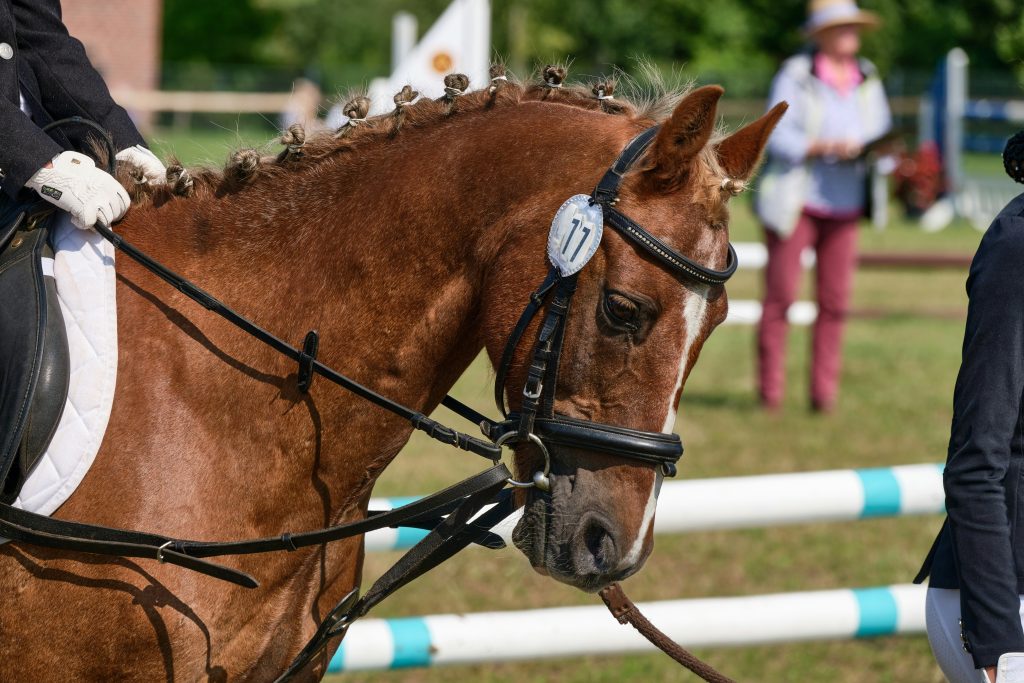
    Photo Credit: Brett Sayles

    How becoming a steadier rider can change the way you ride

    Sometimes a ride feels harder than it should.

    Your horse may feel tense. You may feel like you’re using too much rein, giving too many corrections, or constantly trying to fix something. You may finish the ride wondering why everything felt so difficult when you know you and your horse are capable of more.

    Before assuming your horse is the problem, take a moment to look at what’s happening in your own body and mind.

    Horses are incredibly aware of the people riding and handling them. Small changes in our breathing, posture, hands, balance, and intention can influence the way we communicate.

    That doesn’t mean every difficult ride is caused by the rider. Horses have their own personalities, physical needs, experiences, and bad days too.

    But becoming more aware of our own tension can give us another place to start.

    Here are five common mistakes that can create unnecessary tension in the saddle—and what you can do instead.


    1. Holding Your Breath

    It sounds simple, but many riders hold their breath without realizing they’re doing it.

    Maybe you’re approaching something that makes you nervous. Maybe you’re concentrating hard on getting an exercise right. Or perhaps your horse suddenly becomes tense and your instinct is to brace.

    Whatever the reason, holding your breath can cause the rest of your body to tighten.

    Your shoulders may rise. Your hands may become less flexible. Your seat can become less relaxed, and your entire body can start communicating tension rather than softness.

    Try this instead

    Make breathing part of your riding awareness.

    Before you begin an exercise or approach something that makes you nervous, take a deliberate breath and allow yourself to exhale.

    Pay attention to:

    • Your shoulders
    • Your jaw
    • Your hands
    • Your legs
    • Your seat

    Ask yourself:

    “Am I breathing?”

    Sometimes that one question is enough to bring your attention back to your body.

    You don’t need to force yourself to be perfectly relaxed. Instead, look for small opportunities to soften.


    2. Riding Ahead of the Moment

    Anticipation can create tension before anything has actually happened.

    You see the jump coming and start worrying about it.

    You expect your horse to spook.

    You know you’re approaching the part of the arena where things usually go wrong.

    Or you begin thinking three steps ahead instead of paying attention to the step you’re actually riding.

    When your mind gets ahead of the moment, your body can follow.

    You may shorten the reins, grip with your legs, lean forward or back, or begin making corrections before your horse has actually done anything wrong.

    Try this instead

    Stay present.

    Instead of thinking:

    “What’s going to happen?”

    Bring your attention back to:

    “What is happening right now?”

    Focus on the rhythm of the horse’s movement. Feel your position. Notice your breathing. Think about where you’re going and what you’re asking for in the current moment.

    You can prepare without becoming tense.

    Preparation gives you a plan.

    Anticipation often creates a problem before there is one.


    3. Overcorrecting

    When something doesn’t go the way we expected, it’s tempting to immediately do more.

    More rein.

    More leg.

    More pressure.

    Another correction.

    And then another.

    The problem is that more input doesn’t necessarily create a clearer message.

    Sometimes it creates confusion.

    Imagine someone giving you several different instructions at the same time. Even if every individual instruction makes sense, it can become difficult to figure out exactly what they’re asking you to do.

    The same principle applies to riding.

    Try this instead

    Give your horse a clear request and then allow time for a response.

    If the response isn’t what you wanted, assess what happened before immediately adding more pressure.

    Ask yourself:

    • Did I give a clear cue?
    • Did I give my horse enough time to respond?
    • Was my position supporting what I was asking?
    • Did I accidentally give conflicting signals?
    • Do I actually need another correction?

    Sometimes the best correction is less.

    Clear communication isn’t about constantly doing something. It’s about making your requests understandable.


    4. Tight Hands

    Your hands have a direct role in how you communicate with your horse, which makes them an easy place for tension to show up.

    When you’re nervous or frustrated, it can be tempting to hold tighter.

    You may shorten the reins because you want more control.

    You may tighten your fingers when your horse speeds up.

    You may not even realize how much tension you’re carrying through your arms.

    But tension in your hands can travel through your arms and shoulders and affect the rest of your position.

    Try this instead

    Become aware of what your hands are doing.

    Ask yourself:

    “Am I holding the reins, or am I gripping them?”

    Your goal isn’t to have completely passive hands. Good riding requires communication.

    Instead, think about maintaining a consistent, intentional connection without unnecessarily tightening.

    Keep checking your:

    • Fingers
    • Wrists
    • Forearms
    • Elbows
    • Shoulders

    If you notice yourself getting tense, take a breath and consciously soften where you can.

    The goal isn’t to throw away the reins.

    It’s to communicate without unnecessary tension.


    5. Riding Without Intention

    One of the easiest ways to become reactive is to get on your horse without knowing what you want from the ride.

    That doesn’t mean every ride needs to have a complicated training plan.

    Sometimes the goal really is just to enjoy your horse.

    But having some intention can help you stay focused rather than reacting to whatever happens next.

    Without direction, you may spend the ride responding to problems as they appear.

    Your horse speeds up—you react.

    Your horse drifts—you react.

    You lose your position—you react.

    Something doesn’t go perfectly—you react.

    Try this instead

    Before you ride, choose one simple intention.

    It could be:

    • Keep my breathing steady.
    • Focus on my position.
    • Ride with softer hands.
    • Stay present.
    • Improve my transitions.
    • Be patient.
    • Ride forward with confidence.
    • Enjoy my horse.

    It doesn’t have to be complicated.

    In fact, one clear intention is often enough.

    Having something specific to focus on gives your mind somewhere productive to go.


    What If You’re Already Tense?

    Recognizing tension doesn’t mean you have to fix everything in one ride.

    Sometimes the best thing you can do is simply notice it.

    You might realize:

    “My shoulders are tight.”

    Or:

    “I’ve been holding my breath.”

    Or:

    “I’ve been anticipating everything my horse does.”

    That awareness is progress.

    You can then make one small adjustment.

    Take a breath.

    Relax your shoulders.

    Soften your hands.

    Sit deeper.

    Look where you’re going.

    Give your horse a moment to respond.

    Then continue.

    You don’t need to make every ride perfect.


    The Rider-Horse Connection

    Riding is a conversation between horse and rider.

    Your horse communicates through movement, body language, expression, rhythm, and behavior. You communicate through your position, aids, balance, energy, and intention.

    The better you become at noticing your own communication, the easier it can become to recognize what you’re communicating to your horse.

    That doesn’t mean you should blame yourself whenever a ride doesn’t go well.

    It means you have something you can work on.

    And that’s one of the best parts of riding.

    There is always something to learn.


    A Simple Reset Before Your Next Ride

    Before you mount, take a moment.

    Don’t rush straight into the ride.

    Stand beside your horse and take a breath.

    Then ask yourself:

    How does my body feel?

    Are your shoulders tense?

    Is your jaw tight?

    Are you holding your breath?

    Are your hands already gripping?

    Then ask:

    What is one thing I want to focus on today?

    Choose one thing.

    That’s enough.

    Once you’re riding, return to that intention whenever you notice yourself becoming tense or distracted.

    You don’t have to fix everything.

    Just come back to the present moment.


    Final Thought

    A steady rider isn’t necessarily a rider who never gets nervous, makes mistakes, or has a difficult ride.

    A steady rider is someone who can notice what’s happening and make a thoughtful choice about what to do next.

    Sometimes that means asking for something differently.

    Sometimes it means giving your horse more time.

    Sometimes it means correcting your own position.

    And sometimes it means taking a breath and starting again.

    Calm doesn’t mean passive.

    It means intentional.

    The next time a ride feels tense, before immediately asking, “What’s wrong with my horse?”, take a moment to ask:

    “What am I bringing into this ride?”

    That simple question might give you a different place to begin.

    Heels Down. Mind Calm. Ride Steady.


    Keep Exploring Heels Down Co.

    Looking for more ways to become a more thoughtful, confident rider?

    Explore the Journal for practical riding advice, horse care information, gear guides, and inspiration for life in and around the barn.

  • 10 Horse Riding Mistakes Beginners Make (And How to Avoid Them)

    10 Horse Riding Mistakes Beginners Make (And How to Avoid Them)

    Photo credit: Igor Photography 

    Learning to ride a horse is an exciting journey filled with unforgettable moments, new challenges, and plenty of lessons along the way. Whether you dream of riding English, Western, hitting the trails, or simply enjoying time around horses, every experienced rider started exactly where you are now—a beginner.

    The truth is, mistakes are part of learning. In fact, every confident rider has made them. The important thing is recognizing those mistakes, learning from them, and continuing to improve.

    If you’re just starting your riding journey, here are ten common beginner mistakes and practical ways to avoid them.


    1. Skipping Safety Gear

    No matter how experienced—or inexperienced—you are, safety should always come first.

    One of the biggest mistakes beginners make is riding without the proper equipment, especially a certified riding helmet. Riding boots with a defined heel are equally important because they help prevent your foot from slipping through the stirrup.

    Before every ride, make sure you have:

    • A properly fitted riding helmet
    • Riding boots with a heel
    • Comfortable riding clothes
    • Gloves (optional but recommended)

    A few minutes spent preparing can make a big difference.

    ✅ Quick Fix:
    Before mounting your horse, do a quick safety check. Make sure your helmet is securely fastened, your boots have a defined heel, and your tack has been inspected. Making this a habit takes less than a minute and can significantly improve your safety.


    2. Looking Down Instead of Ahead

    It’s natural to look at your horse while you’re learning, but constantly looking down throws off your balance and posture.

    Instead, focus on where you want to go. Looking ahead helps improve your position, balance, and communication with your horse.

    A simple trick is to pick a point in the distance and ride toward it.

    ✅ Quick Fix:
    Choose an object at the far end of the arena or trail and keep your eyes focused on it. Looking where you want to go naturally improves your balance, posture, and steering.


    3. Holding the Reins Too Tightly

    Many beginners grip the reins tightly because they’re nervous.

    Unfortunately, this can make communication confusing for your horse and create tension in both your hands and your horse’s mouth.

    Think of holding the reins like holding someone’s hand—firm enough to maintain contact, but never so tight that it becomes uncomfortable.

    Relaxed hands help create a relaxed horse.

    ✅ Quick Fix:
    Every few minutes, wiggle your fingers and take a deep breath. This simple exercise reminds you to soften your grip and encourages your horse to relax as well.


    4. Forgetting to Breathe

    It sounds simple, but many new riders hold their breath without realizing it.

    When you become tense, your horse often notices.

    Take slow, deep breaths throughout your ride. Relaxing your body helps your horse stay calmer too.

    ✅ Quick Fix:
    Whenever you notice yourself becoming tense, inhale slowly for four seconds and exhale for four seconds. Relaxing your breathing often relaxes your entire body—and your horse can feel the difference.


    5. Trying to Control the Horse with Only Your Hands

    Good riding comes from using your entire body—not just your hands.

    Your seat, legs, posture, balance, and voice all communicate with your horse.

    Learning to ride from your seat rather than pulling on the reins creates clearer communication and a smoother ride.

    ✅ Quick Fix:
    Before asking your horse to turn or stop, think “legs first, seat second, hands last.” Using your whole body creates clearer communication than relying on the reins alone.


    6. Ignoring Basic Horse Care

    Riding is only one part of horsemanship.

    Learning to groom your horse, clean hooves, check tack, and recognize small injuries is just as important as learning to ride.

    Spending time caring for your horse strengthens your partnership and teaches valuable skills every rider should have.

    ✅ Quick Fix:
    Spend five extra minutes grooming your horse before every ride. Check each hoof, run your hands over your horse’s legs, and look for cuts, swelling, or anything unusual before you saddle up.


    7. Comparing Yourself to Other Riders

    Every rider learns at a different pace.

    Some people feel comfortable after a few lessons, while others need more time to build confidence.

    Instead of comparing yourself to others, compare yourself to where you were last month.

    Celebrate small improvements—they’re what lead to big progress.

    ✅ Quick Fix:
    Keep a small riding journal after each lesson. Write down one thing you learned and one thing you improved. Comparing yourself to your previous rides is far more rewarding than comparing yourself to someone else.


    8. Wearing the Wrong Clothing

    Comfort and safety matter.

    Avoid:

    • Running shoes
    • Sandals
    • Shorts
    • Loose scarves
    • Clothing that restricts movement

    Instead, wear:

    • Riding boots
    • Long pants or riding breeches
    • Comfortable fitted clothing
    • A certified riding helmet

    The right clothing allows you to focus on riding instead of constantly adjusting your outfit.

    ✅ Quick Fix:
    Before heading to the barn, ask yourself three questions:

    • Am I wearing boots with a heel?
    • Am I wearing long pants?
    • Am I wearing a certified riding helmet?

    If the answer is yes to all three, you’re off to a great start.


    9. Being Afraid to Ask Questions

    Every instructor expects beginners to ask questions.

    If you’re unsure about something—ask.

    Whether it’s how to hold the reins, tack up a horse, or improve your position, asking questions shows that you’re eager to learn.

    There are no silly questions when it comes to your safety or your horse’s well-being.

    ✅ Quick Fix:
    Challenge yourself to ask your instructor at least one question during every lesson. Even a simple question can help you understand your horse better and improve your confidence.


    Photo credit: Stefanie Poepken

    10. Expecting Perfection Too Soon

    Perhaps the biggest mistake of all is expecting yourself to master riding immediately.

    Horseback riding is a lifelong learning experience.

    Even professional riders continue taking lessons, improving their skills, and learning from every horse they ride.

    Be patient with yourself.

    Confidence doesn’t come from never making mistakes—it comes from continuing to learn despite them.

    ✅ Quick Fix:
    Set one small goal for each ride instead of trying to master everything at once. Whether it’s maintaining a steady posting trot, keeping your heels down, or making smoother turns, celebrating small victories builds confidence over time.


    Bonus Tips for New Riders

    If you’re just getting started, remember these simple habits:

    • Arrive early for your lesson.
    • Listen carefully to your instructor.
    • Spend time with horses outside of riding.
    • Practice good posture.
    • Stay relaxed and enjoy the experience.
    • Always thank your horse after every ride.

    The relationship you build with your horse is just as important as the riding skills you develop.


    Frequently Asked Questions

    Is it normal to feel nervous during my first riding lesson?

    Absolutely.

    Most riders feel nervous when they begin. Confidence grows with experience, practice, and a good instructor.


    How often should beginners ride?

    Consistency is more important than intensity.

    Even one lesson each week can lead to steady improvement when combined with patience and practice.


    Should I learn English or Western riding first?

    Neither discipline is “better” for beginners.

    Choose the style that interests you most, or try both before deciding. The fundamentals of balance, communication, and horsemanship are valuable in every discipline.


    Will I make mistakes?

    Without a doubt—and that’s okay.

    Every experienced rider has made the same beginner mistakes at some point.

    The goal isn’t to avoid every mistake; it’s to learn from them.


    Final Thoughts

    Every rider’s journey begins with uncertainty, curiosity, and a willingness to learn.

    The mistakes on this list aren’t signs that you’re failing—they’re opportunities to become a better horseman or horsewoman.

    Focus on building good habits, asking questions, practicing regularly, and enjoying the process.

    Whether your passion lies in English riding, Western riding, trail riding, or simply spending time around horses, remember that every ride teaches you something new.

    At Heels Down Co, we believe the best riders never stop learning. Stay patient, stay safe, and enjoy every step of the journey.

    Happy riding!

  • Which Horse Riding Discipline Is Right for You? A Beginner’s Guide

    Which Horse Riding Discipline Is Right for You? A Beginner’s Guide

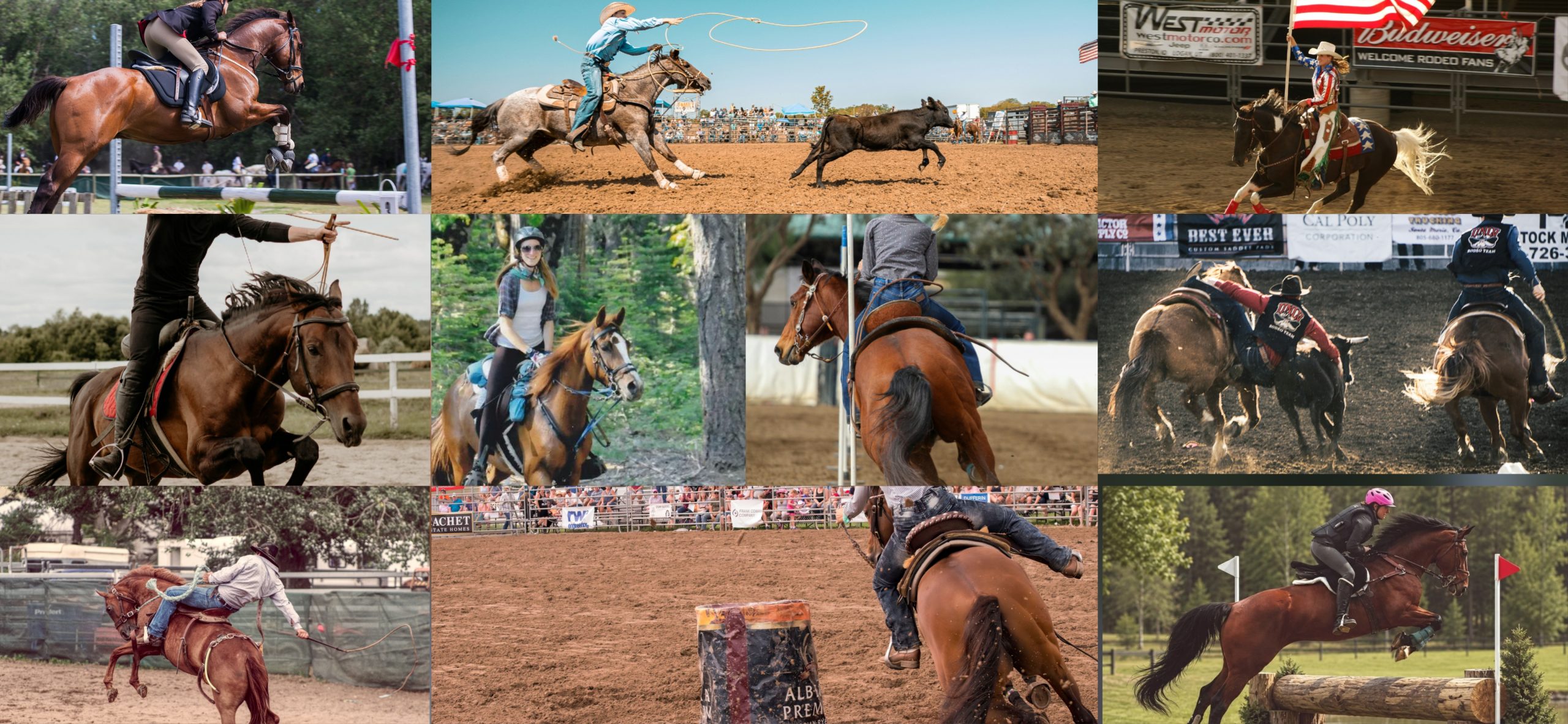
    Photo credits: Caitlin Ralston, Xavier McLaren, Christine Benton, Jean van der Meulen, Ted McDonnell, Tima Miroshnichenko, @coldbeer, Mark Thomas, Jordan Heinrichs

    If you’re new to horseback riding, one of the biggest questions you’ll face is, “Which riding discipline should I choose?”

    With so many options—English, Western, trail riding, dressage, jumping, barrel racing, ranch riding, and more—it can feel overwhelming to know where to begin.

    The good news is that there isn’t one “best” discipline for beginners. The right choice depends on your interests, goals, personality, and the type of riding experience you’re hoping to have.

    This guide will help you explore some of the most popular horse riding disciplines so you can find the one that fits you best.


    Start With Your Interests

    Before buying equipment or signing up for lessons, ask yourself a simple question:

    What excites you most about horseback riding?

    Do you picture yourself:

    • Riding scenic mountain trails?
    • Jumping over fences?
    • Competing at horse shows?
    • Working cattle on a ranch?
    • Racing around barrels?
    • Building a partnership with your horse and enjoying peaceful rides?

    There are no wrong answers. Your interests are one of the best indicators of which discipline you’ll enjoy most.


    Photo credit: Lily Banse

    English Riding

    English riding focuses on balance, precision, and communication between horse and rider.

    Popular English disciplines include:

    • Dressage
    • Hunter
    • Jumper
    • Eventing
    • Hunt Seat
    • Saddle Seat

    English Riding Might Be Right for You If…

    • You enjoy learning technical skills.
    • You like precision and attention to detail.
    • You dream of jumping or competing.
    • You enjoy structured lessons and continuous improvement.

    💡 Beginner Tip: Many riders begin with basic English lessons before deciding whether to specialize in jumping, dressage, or another discipline.


    Photo credit: Howard R Wheeler

    Western Riding

    Western riding developed from practical ranch work and emphasizes comfort, versatility, and smooth communication.

    Popular Western disciplines include:

    • Trail Riding
    • Ranch Riding
    • Reining
    • Barrel Racing
    • Western Pleasure
    • Cutting
    • Team Penning

    Western Riding Might Be Right for You If…

    • You enjoy relaxed riding.
    • You love spending hours on the trail.
    • You appreciate ranch traditions.
    • You’re interested in speed events or cattle work.

    💡 Beginner Tip: Western riding isn’t only for ranches. Many riders enjoy Western simply because they find it comfortable and versatile.


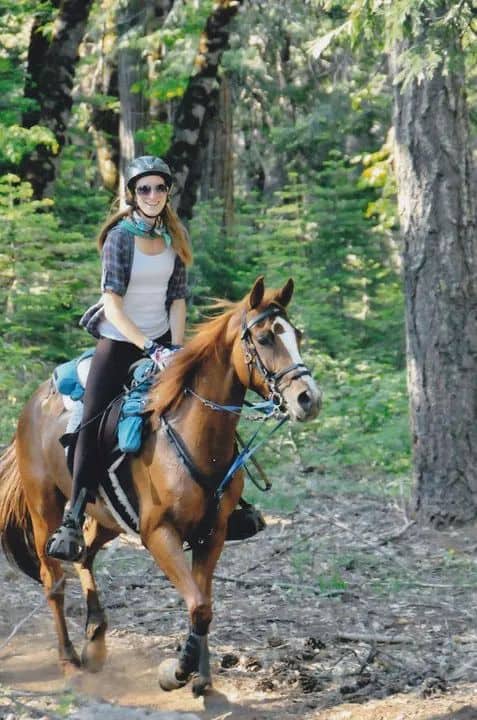
    Trail Riding

    If your dream is exploring forests, mountains, or open countryside, trail riding may be exactly what you’re looking for.

    Trail riders often enjoy both English and Western disciplines depending on the terrain and personal preference.

    Trail riding is perfect if you enjoy:

    • Nature
    • Adventure
    • Relaxation
    • Exploring new places

    Photo credit: Alexandra Tziolis

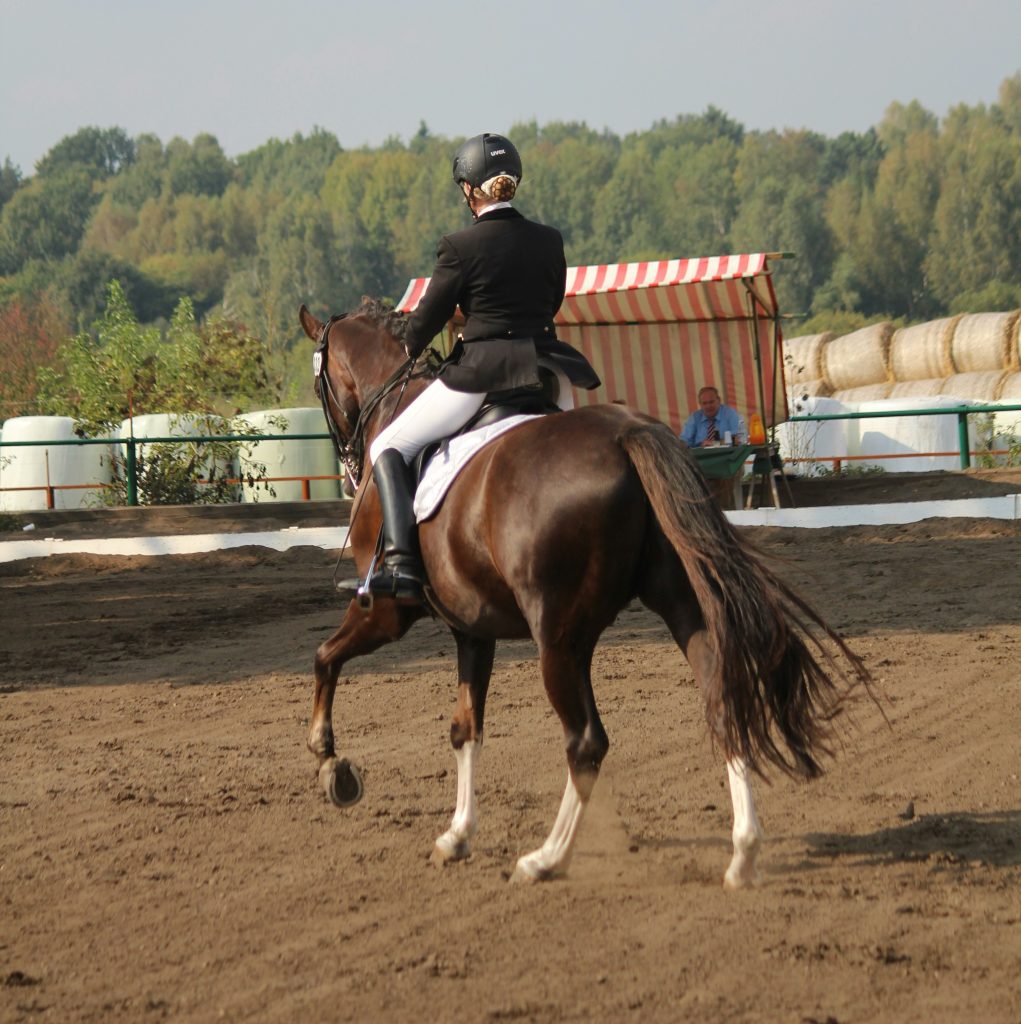
    Dressage

    Often called the “art of riding,” dressage focuses on harmony, balance, and precision.

    It develops excellent riding fundamentals that benefit riders in nearly every discipline.

    Dressage may be a great fit if you enjoy:

    • Attention to detail
    • Continuous learning
    • Building an incredible partnership with your horse

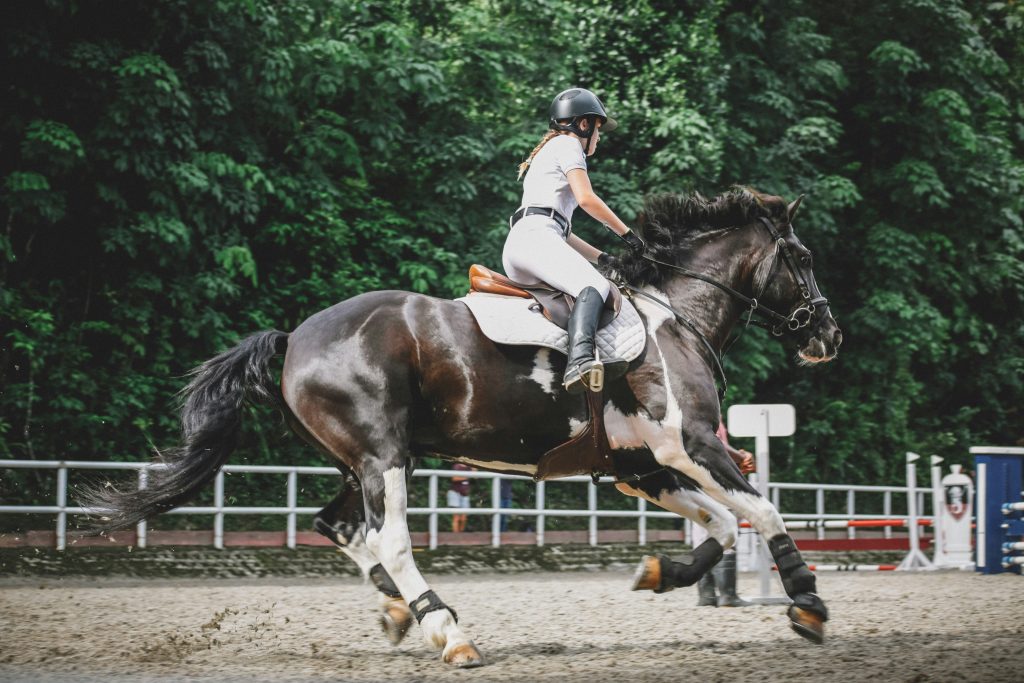
    Photo credit: Daniel Schuh 

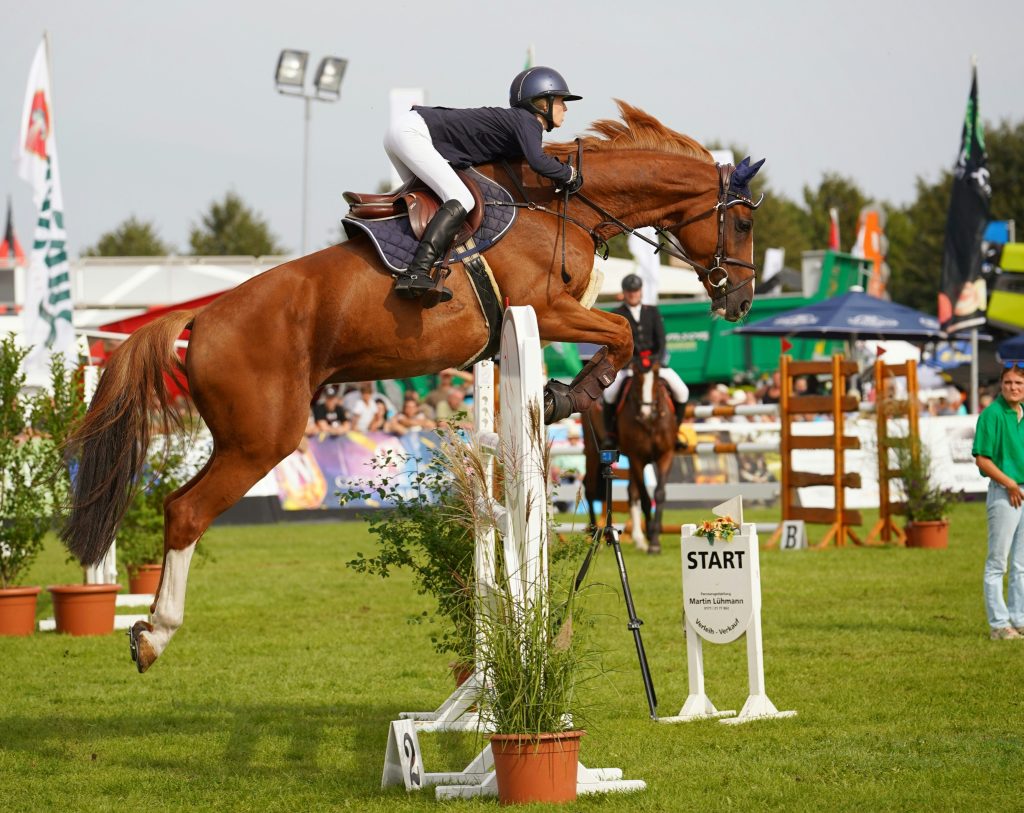
    Jumping

    Jumping combines athleticism, confidence, and teamwork.

    Riders learn to guide their horses over fences while maintaining balance and rhythm.

    Jumping is exciting but usually comes after developing solid riding fundamentals.


    Photo credit: Dulcey Lima

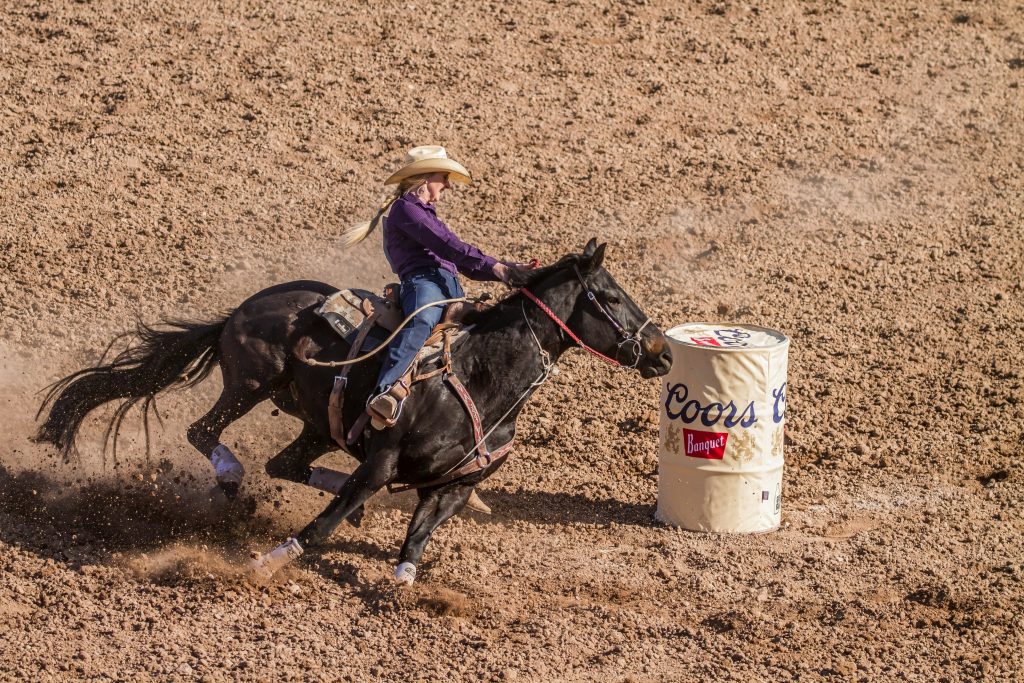
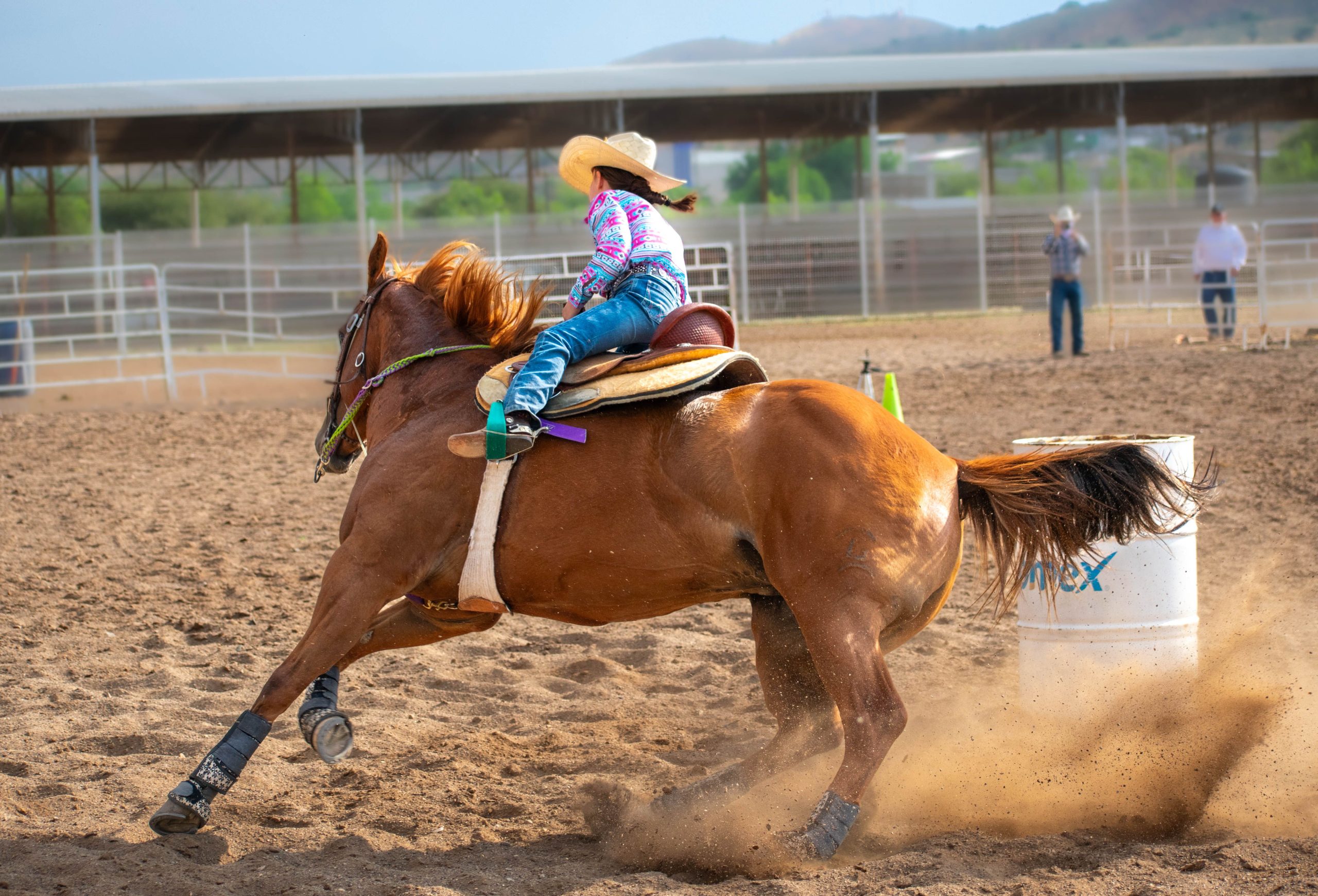
    Barrel Racing

    If speed and competition excite you, barrel racing may catch your interest.

    Riders navigate a cloverleaf pattern around barrels while racing against the clock.

    It requires:

    • Fast reflexes
    • Strong communication
    • A confident horse-and-rider partnership

    Ranch Riding

    Ranch riding showcases practical horsemanship and the skills traditionally used while working cattle.

    Many riders enjoy ranch riding because it emphasizes versatility, smooth movement, and a willing partnership with the horse.


    Do You Have to Choose Just One?

    Absolutely not.

    Many riders explore multiple disciplines throughout their lives.

    You might begin with English lessons before discovering trail riding.

    You might learn Western riding and later develop an interest in dressage.

    Every discipline teaches valuable horsemanship skills that can improve your riding regardless of where your journey leads.


    Questions to Help You Decide

    Ask yourself these questions:

    • Do I want to compete or ride recreationally?
    • Am I more interested in speed or precision?
    • Would I rather spend time on trails or in an arena?
    • What riding styles are available near me?
    • Which discipline simply sounds the most enjoyable?

    Sometimes the best decision is the one you’re most excited to try.


    🐴 Which Horse Riding Discipline Fits You?

    Not sure whether English or Western riding is right for you? Answer the questions below and see which discipline best matches your interests. There are no right or wrong answers—this is simply a fun way to explore where your riding journey might begin.


    1. What sounds like your perfect day with a horse?

    A. Jumping fences and improving my riding skills in an arena.

    B. Exploring scenic trails and enjoying nature.

    C. Working cattle or learning ranch skills.

    D. Competing in fast-paced events like barrel racing.


    2. What type of challenge motivates you most?

    A. Precision, technique, and continuous improvement.

    B. Relaxing adventures and building a partnership with my horse.

    C. Practical horsemanship and real-world riding skills.

    D. Speed, excitement, and competition.


    3. Which horse-related videos do you watch first?

    A. Dressage or show jumping.

    B. Trail riding through beautiful landscapes.

    C. Ranch riding or cattle work.

    D. Barrel racing or rodeo events.


    4. Which riding environment sounds the most enjoyable?

    A. A riding arena with lessons and structured training.

    B. Forest trails, mountains, or open countryside.

    C. Ranches and open fields.

    D. Rodeo arenas and competitions.


    5. What’s your biggest goal?

    A. Becoming a skilled rider through structured training.

    B. Enjoying horses as a relaxing hobby.

    C. Learning practical horsemanship and working with horses.

    D. Competing and improving my speed and athletic ability.


    6. Which riding style appeals to you most?

    A. English

    B. Western

    C. I’m not sure yet.

    D. I’d love to try both.


    Your Results

    Mostly A’s — English Riding

    You may enjoy English riding if you’re interested in developing technical riding skills, improving your balance, and possibly exploring disciplines such as dressage, jumping, hunter, or eventing. English riding offers a rewarding path for riders who enjoy precision, continuous learning, and athletic challenges.


    🟫 Mostly B’s — Trail Riding

    You enjoy adventure, beautiful scenery, and spending quality time with your horse. Trail riding can be enjoyed using either English or Western tack, so don’t feel limited to one discipline. If your


    Beginner Essentials for Every Discipline

    No matter which discipline you choose, you’ll need:

    • A certified riding helmet
    • Riding boots with a defined heel
    • Comfortable riding clothes
    • A positive attitude
    • Patience
    • A willingness to learn

    Good horsemanship matters far more than the type of saddle you ride.


    Frequently Asked Questions

    Is one discipline better for beginners?

    No.

    A knowledgeable instructor, a safe horse, and regular practice are much more important than the discipline itself.


    Can I switch disciplines later?

    Absolutely.

    Many riders enjoy both English and Western riding or transition into different disciplines as their interests evolve.


    Do I need expensive equipment right away?

    No.

    Most beginners can start with basic riding gear and purchase specialized equipment after deciding which discipline they enjoy most.


    Should children and adults choose different disciplines?

    Not necessarily.

    The best discipline is the one that matches the rider’s interests, goals, and available instruction.


    Final Thoughts

    The best horse riding discipline is the one that keeps you excited to learn, eager to spend time with horses, and motivated to continue improving.

    Whether you choose English, Western, trail riding, dressage, jumping, ranch riding, or another discipline entirely, remember that every accomplished rider started exactly where you are now—with curiosity and a willingness to learn.

    Don’t be afraid to try something new. Take lessons, ask questions, and enjoy the journey.

    At Heels Down Co, we believe every discipline has something valuable to offer. No matter where your riding adventure begins, we hope it leads to a lifetime of memorable experiences with horses.

    Happy riding!


    ❤️ Heels Down Co Recommendation

    If you’re unsure where to start, book one English lesson and one Western lesson at a local riding facility. Experiencing both styles firsthand is often the easiest way to discover which one feels like home in the saddle.