
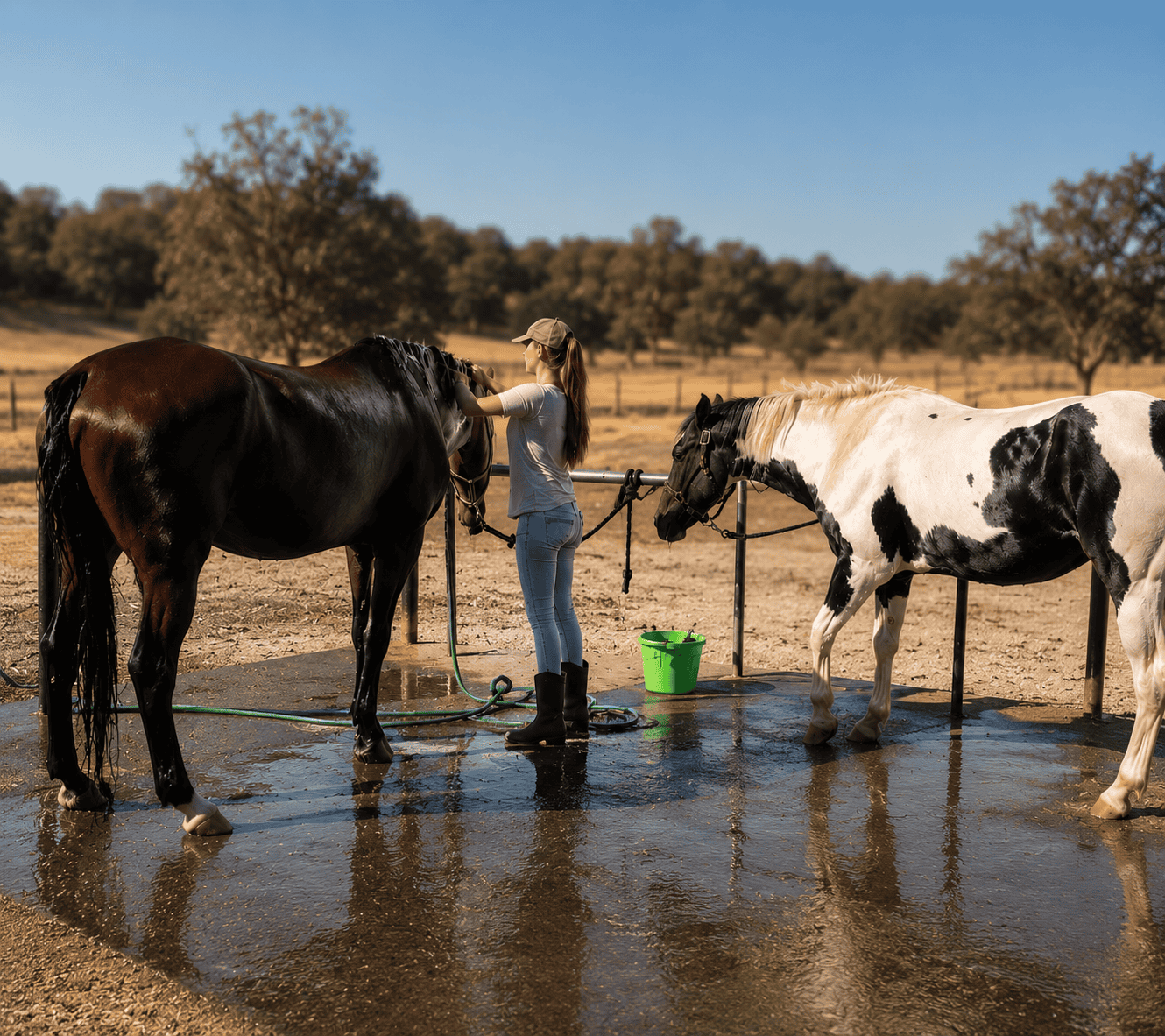
Whether you ride English, Western, or you’re still deciding which discipline is right for you, one thing remains the same—having the right equipment can make every ride safer, more comfortable, and more enjoyable.
Walking into a tack store or browsing online for riding gear can feel overwhelming. With so many products available, it’s easy to wonder what you actually need and what can wait.
The good news? You don’t need to buy everything at once.
By investing in a few quality essentials, you’ll be well prepared to begin your riding journey with confidence. This guide covers the equipment every beginner should consider, regardless of whether you ride English or Western.
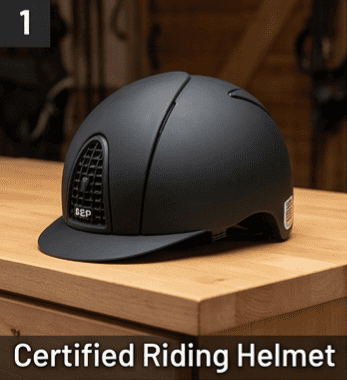
1. A Certified Riding Helmet
If you only purchase one piece of riding equipment, make it a certified riding helmet.
Horseback riding is an amazing sport, but horses are powerful animals with minds of their own. Even the calmest horse can stumble, spook, or react unexpectedly. Wearing a properly fitted helmet every time you ride is one of the best ways to protect yourself from serious head injuries.
When choosing a helmet, look for:
- ASTM/SEI safety certification
- A snug, comfortable fit
- Good ventilation
- An adjustable chin strap
Pro Tip: Never buy a used helmet unless you’re certain it has never been involved in a fall. Helmets are designed to absorb impact and should be replaced after a significant accident.
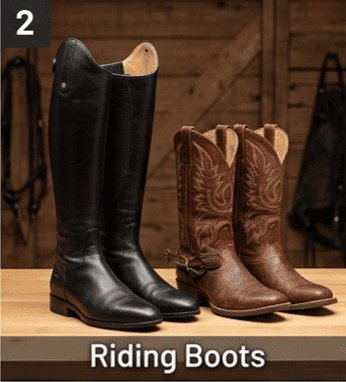
2. Proper Riding Boots
One thing English and Western riders have in common is the need for boots with a defined heel.
The heel helps prevent your foot from slipping too far through the stirrup, making it an important safety feature.
English riders often choose paddock boots or tall boots, while Western riders typically wear riding cowboy boots. Whatever style you choose, make sure your boots are designed specifically for horseback riding.
Look for boots that offer:
- A defined heel
- Comfortable support
- Durable construction
- Good grip
Comfortable feet make for much more enjoyable rides.
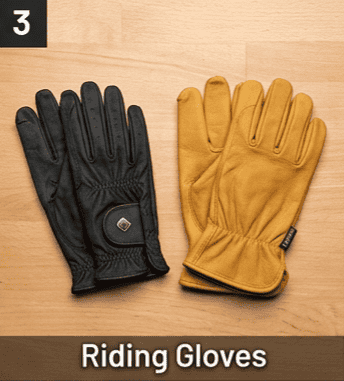
3. Riding Gloves
Many beginners don’t realize how helpful riding gloves can be until after their first few lessons.
Gloves help improve your grip on the reins while reducing blisters and keeping your hands comfortable during longer rides.
Benefits include:
- Better grip
- Reduced hand fatigue
- Protection from blisters
- Added warmth during cooler weather
They’re a small investment that many riders quickly consider indispensable.
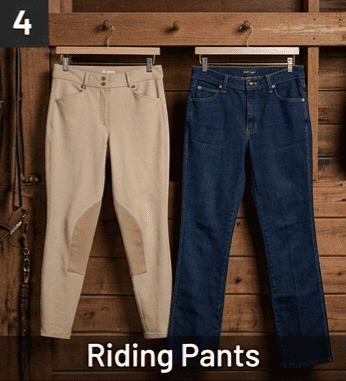
4. Riding Pants
While regular jeans may work for an occasional ride, riding-specific pants are designed to provide greater comfort in the saddle.
English riders often wear breeches or riding tights, while Western riders may prefer riding jeans that offer extra flexibility and durability.
Whichever style you choose, look for clothing that:
- Allows freedom of movement
- Reduces rubbing and chafing
- Is comfortable for long rides
- Fits properly without being restrictive
Comfort helps you focus on learning instead of constantly adjusting your clothing.
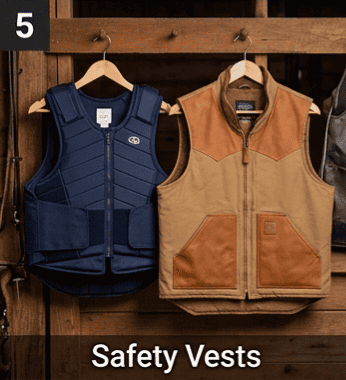
5. Safety Vest
A riding safety vest may not be required everywhere, but it’s an excellent piece of protective equipment for beginners.
Many riders choose to wear one while:
- Taking lessons
- Trail riding
- Jumping
- Building confidence in the saddle
Whether you ride English or Western, additional protection can provide valuable peace of mind while you’re developing your skills.
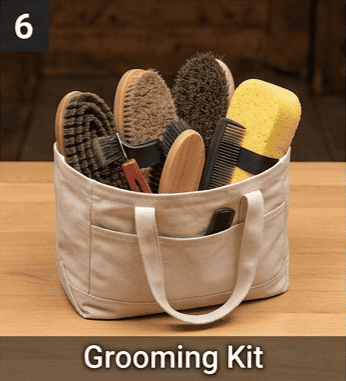
6. Grooming Kit
Learning to groom your horse is an important part of becoming a responsible horse owner or rider.
Grooming not only keeps your horse clean but also gives you the opportunity to notice cuts, swelling, loose shoes, or anything unusual before riding.
A basic grooming kit should include:
- Curry comb
- Hard brush
- Soft brush
- Hoof pick
- Mane and tail comb
- Sponge
Developing good grooming habits builds trust between you and your horse.
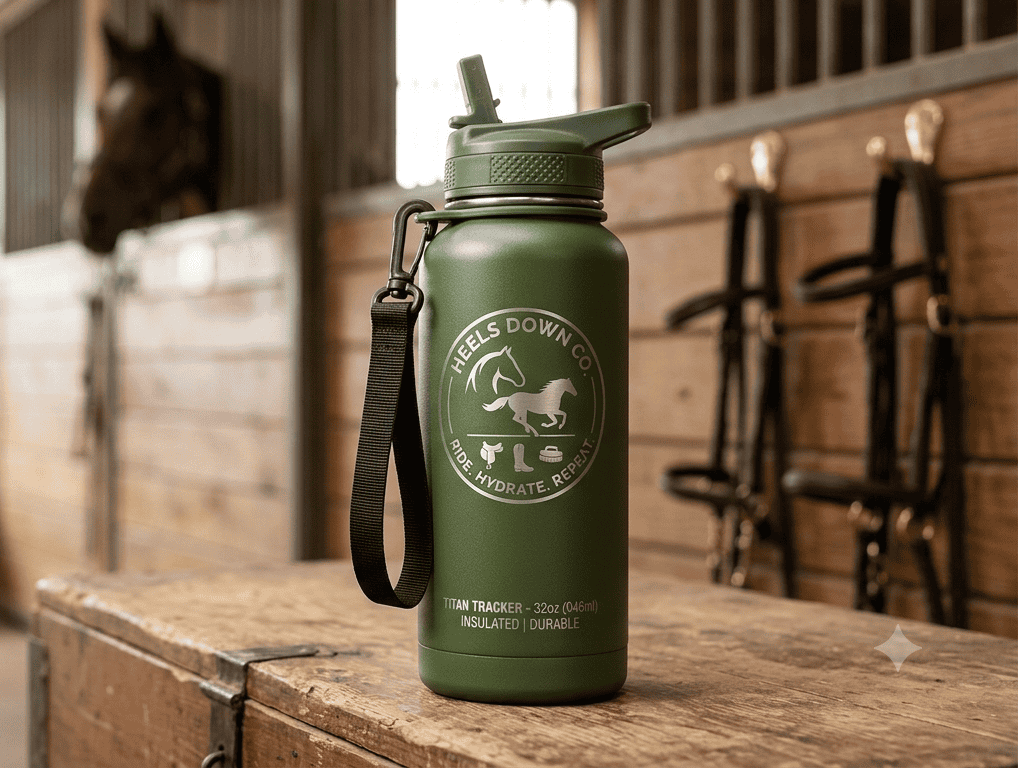
7. Water Bottle
It sounds simple, but staying hydrated is often forgotten at the barn.
Whether you’re riding for thirty minutes or spending the entire day with your horse, drinking enough water helps you stay focused and energized.
An insulated water bottle is a great addition to your riding gear, especially during warmer months.
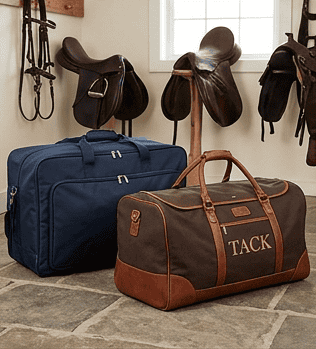
8. Tack Bag
As you collect riding equipment, having a dedicated bag helps keep everything organized and easy to transport.
A quality tack bag can hold items such as:
- Helmet
- Gloves
- Brushes
- Water bottle
- Extra socks
- Personal belongings
Staying organized means spending less time searching for gear and more time enjoying your horse.
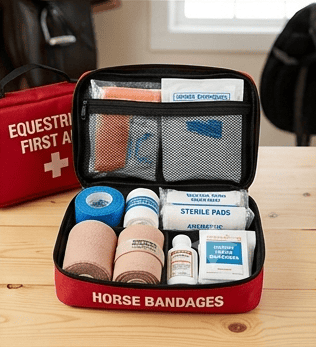
9. Basic First Aid Kit
Working around horses means minor scrapes and bumps occasionally happen.
Keeping a small first aid kit in your vehicle or tack bag is always a smart idea.
Include essentials like:
- Adhesive bandages
- Gauze
- Medical tape
- Antiseptic wipes
- Tweezers
- Disposable gloves
Being prepared gives you peace of mind whenever you’re at the barn or on the trail.
10. A Positive Attitude and Willingness to Learn
This may be the most important item on the list—and it doesn’t cost a thing.
Every accomplished rider was once a beginner.
You’ll make mistakes.
You’ll have incredible rides.
You’ll have rides that challenge your patience.
That’s all part of learning.
Ask questions, listen to your instructor, celebrate small victories, and remember that progress takes time.
Your relationship with horses isn’t built in a day—it’s built one ride at a time.
Final Thoughts
Starting horseback riding doesn’t mean buying every piece of equipment you see online.
Instead, focus on quality essentials that improve your safety, comfort, and confidence. As your experience grows, you’ll naturally discover which additional gear best fits your riding style and goals.
Whether your passion leads you to English riding, Western riding, trail riding, or simply spending time with horses, the right equipment can make every ride more enjoyable.
Thank you for visiting HeelsDownCo. We hope this guide helps you feel more prepared and excited for the journey ahead.
Happy riding!
Leave a Reply